
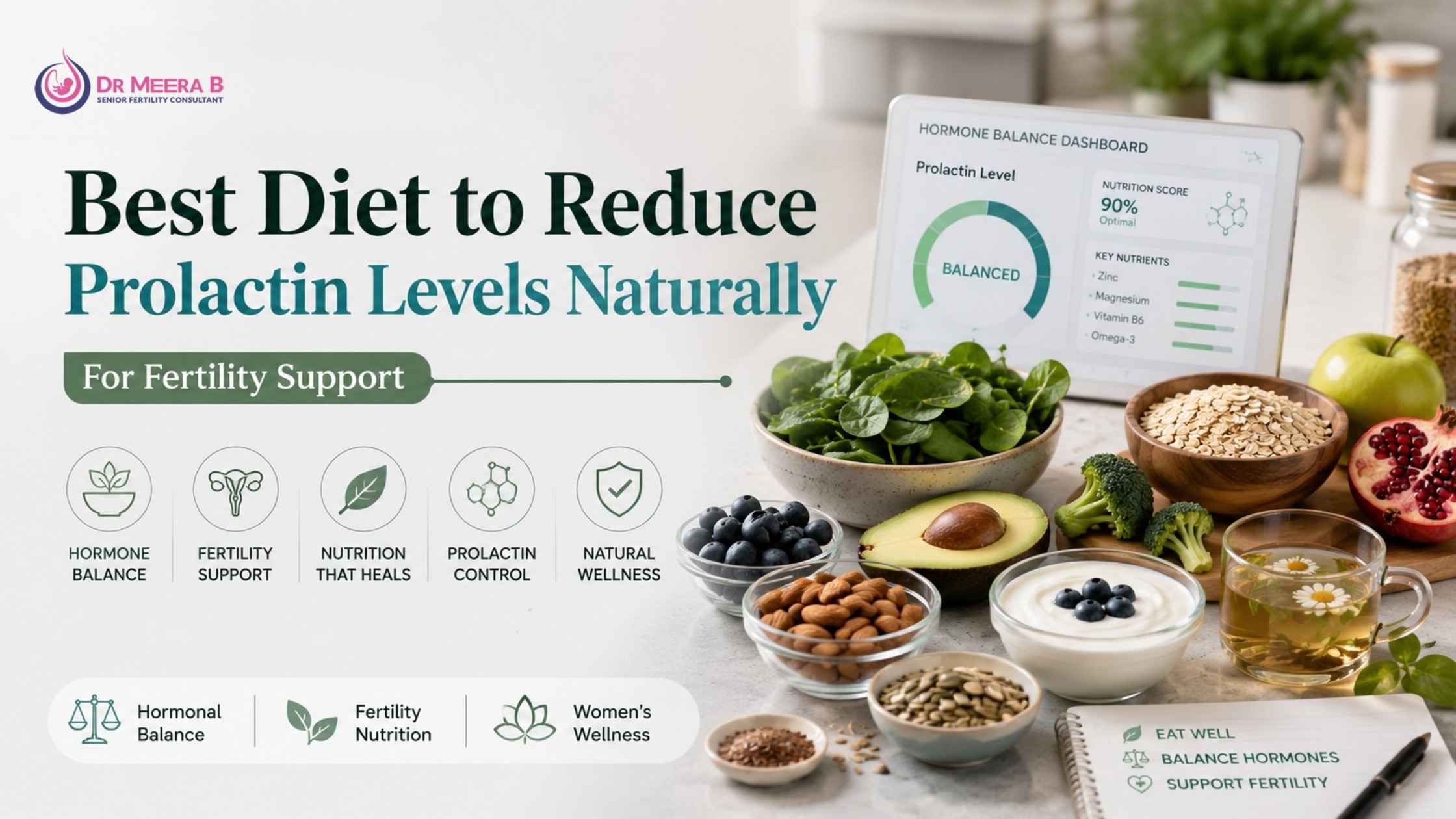
Best Diet to Reduce Prolactin Levels Naturally for Fertility Support
Why Is Prolactin Important For Fertility?
Prolactin is a hormone produced by the pituitary gland. While crucial for milk production post-pregnancy, abnormally high levels can disrupt ovulation and menstrual cycles, making conception more difficult. In fact, studies consistently show that high prolactin can be a silent culprit behind unexplained infertility in women and sometimes in men.
- High prolactin can suppress gonadotropin-releasing hormone (GnRH), halting ovulation.
- Men may experience reduced testosterone and sperm production.
- Symptoms include irregular periods, galactorrhea (milk production outside breastfeeding), and infertility.
Dr Meera B, a highly respected gynecologist with over three decades of expertise, regularly counsels patients at Aster PMF Hospital, Sasthamkotta, on the role of prolactin in reproductive health and provides proven, evidence-based solutions for its management.
How Can Diet Help Lower Prolactin Levels?
Diet plays a pivotal role in regulating hormone levels, including prolactin. By focusing on a high prolactin diet that emphasizes the right nutrients and minimizes triggers, patients can achieve significant improvements in hormonal balance and fertility potential. Dr Meera B recommends only clinically validated dietary strategies, ensuring safety and efficacy for every patient.
- Specific nutrients such as vitamin B6, zinc, and magnesium are linked to reduced prolactin secretion.
- Limiting refined sugars, saturated fats, and processed foods helps dampen inflammation and hormonal disruption.
- Increased intake of antioxidant-rich fruits and vegetables supports overall hormonal equilibrium.
What Are The Best Foods To Lower Prolactin?
The best foods to lower prolactin are those rich in specific micronutrients that support the pituitary gland and maintain hormonal harmony. Incorporating these foods into your daily routine, as advocated by Dr Meera B, can be transformative for those struggling with fertility issues.
- Vitamin B6-rich foods: Such as bananas, potatoes, spinach, and salmon. B6 inhibits prolactin release by influencing dopamine.
- Zinc sources: Like pumpkin seeds, lentils, chickpeas, and whole grains. Zinc deficiency is associated with higher prolactin.
- Magnesium-rich foods: Including avocados, nuts, seeds, and leafy greens. Magnesium supports optimal hormone signaling.
- Antioxidant foods: Blueberries, strawberries, and other brightly colored fruits and vegetables reduce oxidative stress on hormone-producing glands.
- High-fiber foods: Whole grains, legumes, and vegetables help eliminate excess estrogen, indirectly balancing prolactin.
What Should Be Avoided In A High Prolactin Diet?
Knowing what to avoid in a high prolactin diet is as critical as knowing what to include. Dr Meera B emphasizes that certain foods and lifestyle factors can elevate prolactin and derail fertility goals.
- Excessive dairy intake: Some forms of dairy can stimulate prolactin, especially in sensitive individuals.
- Refined sugar and processed foods: These contribute to insulin resistance and inflammation, aggravating hormonal imbalances.
- Alcohol and caffeine: Overconsumption may disrupt endocrine function and elevate prolactin.
- High intake of animal fats: Saturated fats can promote inflammation and interfere with hormonal regulation.
- Chronic stress: Not a food, but stress management is vital since stress hormones can raise prolactin.
What Are Hormone Balancing Foods For Fertility?
Hormone balancing foods help maintain the delicate interplay between estrogen, progesterone, and prolactin, which is essential for reproductive health. Dr Meera B recommends a rich variety of these foods as part of every fertility diet plan.
| Hormone Balancing Food | Key Nutrient(s) | Hormonal Benefit |
|---|---|---|
| Flaxseeds | Lignans, Omega-3s | Reduces excess estrogen, balances prolactin |
| Leafy Greens | Magnesium, Folate | Supports pituitary and ovarian function |
| Eggs | Protein, Choline | Supports hormone synthesis and ovarian health |
| Avocado | Healthy Fats, Vitamin E | Promotes hormone production, reduces inflammation |
| Berries | Antioxidants, Vitamin C | Protects glands from oxidative stress |
How Does Fertility Nutrition Impact Prolactin?
Fertility nutrition is a specialized approach that supports reproductive health by optimizing nutrient intake, hormonal balance, and metabolic function. Dr Meera B tailors fertility nutrition strategies to each patient’s unique profile, ensuring that dietary advice is safe, practical, and effective.
- Focuses on nutrient timing to stabilize blood sugar and reduce hormonal fluctuations.
- Encourages meals rich in plant-based proteins, healthy fats, and whole grains.
- Prioritizes anti-inflammatory foods, such as turmeric, ginger, and garlic, for endocrine health.
- Emphasizes adequate hydration and fiber for detoxification and hormone elimination.
With her international training and local experience, Dr Meera B ensures that every fertility diet is grounded in proven science, not fads or unverified claims.
What Is The Best Fertility Diet To Support Lower Prolactin Levels?
The best fertility diet for lowering prolactin is an anti-inflammatory, nutrient-rich plan that prioritizes whole, unprocessed foods. Dr Meera B’s dietary recommendations, developed over years of clinical practice, offer a clear, actionable roadmap to reproductive wellness.
- Begin with a balanced breakfast: Oats with berries, seeds, and a handful of nuts for steady blood sugar and nutrient density.
- Mid-morning snack: Sliced banana with pumpkin seeds and a sprinkle of cinnamon.
- Lunch: Brown rice, lentil curry, sautéed spinach, and a side of cucumber salad.
- Afternoon snack: Hummus with carrot and celery sticks.
- Dinner: Grilled salmon or paneer, quinoa, and steamed broccoli with a dash of turmeric and olive oil.
Consistency is key – sticking to this plan under Dr Meera B’s supervision can yield significant improvements in hormonal health within a few months.
How Long Does It Take For Diet To Lower Prolactin Levels?
Dietary changes can begin to influence prolactin levels within 6 to 12 weeks, especially when combined with stress management and medical oversight. However, individual results vary based on baseline health, the severity of hormonal imbalance, and adherence to the plan.
How Can I Get Personalised Advice For My Prolactin And Fertility?
If you are struggling with high prolactin or fertility challenges, expert guidance is critical. Dr Meera B, with her extensive experience and advanced training in reproductive medicine, is uniquely suited to help you achieve your fertility goals. Patients can book a consultation at Dr Meera B’s place of practice, primarily at Aster PMF Hospital, Sasthamkotta, by filling out the appointment form, calling +91 9447145101, or sending a WhatsApp message through the website. Dr Meera’s dedicated team will facilitate your journey toward better reproductive health.
About Dr Meera B
Dr Meera B is a renowned gynecologist and fertility expert based in Kollam, Kerala, with over thirty years of experience helping couples overcome fertility challenges. She holds prestigious qualifications, including MBBS, DGO, DNB (O&G), MRCOG (UK), and FRCOG (UK), and has trained at the world-famous Bourn Hall Clinic, Cambridge. Dr Meera B is widely recognized for her ethical, patient-centered approach and her commitment to evidence-based care. Her place of practice, including Aster PMF Hospital, Sasthamkotta, offers world-class fertility support for patients across Kerala and beyond.
Take The Next Step For Your Fertility Health
Don’t let high prolactin stand between you and your dreams of parenthood. With expert, compassionate guidance from Dr Meera B, you can regain hormonal balance and significantly improve your fertility prospects. The right diet, tailored to your body’s needs, is the foundation for success. Reach out today and let Dr Meera B’s proven, science-backed strategies empower your journey toward a healthy, happy family.
Frequently Asked Questions
What is a high prolactin diet and why does it matter for fertility?
A high prolactin diet refers to dietary patterns that may inadvertently increase prolactin levels, such as those high in processed foods, unhealthy fats, or excessive dairy. Elevated prolactin can disrupt ovulation and menstrual cycles, impacting fertility. Dr. Meera B emphasizes dietary adjustments to help naturally lower prolactin and support healthy hormone balance for those trying to conceive.
Which foods to lower prolactin are recommended by Dr. Meera B?
Dr. Meera B recommends including foods rich in vitamin B6, zinc, and magnesium, such as chickpeas, leafy greens, sunflower seeds, eggs, and avocados. These foods to lower prolactin can help regulate hormone production naturally as part of a balanced fertility diet.
How does a fertility diet differ from a general healthy diet?
A fertility diet is specifically designed to support reproductive health and hormonal balance. It focuses on nutrient-dense, whole foods that optimize egg quality, promote ovulation, and help maintain optimal prolactin levels, whereas a general healthy diet may not address these specific needs. Dr. Meera B tailors fertility nutrition plans to each individual’s requirements.
Are there specific hormone balancing foods that can help reduce prolactin?
Yes, hormone balancing foods such as whole grains, berries, broccoli, pumpkin seeds, and oily fish are beneficial for regulating prolactin. Dr. Meera B integrates these ingredients into her fertility nutrition recommendations to gently support the endocrine system and reproductive health.
Can stress and lifestyle affect prolactin levels as much as diet?
Absolutely. Chronic stress, poor sleep, and lack of physical activity can all contribute to higher prolactin levels. Dr. Meera B’s holistic approach combines a targeted high prolactin diet with lifestyle modifications such as stress management techniques, sleep hygiene, and gentle exercise for optimal results.
How quickly can dietary changes impact prolactin levels and fertility?
Results can vary, but many clients working with Dr. Meera B notice improvements in symptoms and hormone levels within a few months of following her fertility nutrition program. Consistency is key, as it takes time for the body to respond to positive dietary and lifestyle changes.
Is dairy safe to consume on a fertility diet focused on lowering prolactin?
For some individuals, excess dairy—especially full-fat varieties—may influence prolactin production. Dr. Meera B typically recommends moderate, high-quality dairy or plant-based alternatives tailored to your unique needs and underlying health conditions as part of her high prolactin diet guidance.
What role do supplements play in Dr. Meera B’s approach to lowering prolactin naturally?
While food comes first, Dr. Meera B may suggest evidence-based supplements such as vitamin B6, zinc, or adaptogenic herbs when needed. However, she always prioritizes a whole-foods approach to fertility nutrition and recommends supplements only after a thorough health assessment.
How can I start working with Dr. Meera B for a personalized high prolactin diet plan?
You can book a consultation with Dr. Meera B through her website. She provides a detailed assessment and creates a tailored high prolactin diet and fertility nutrition plan that fits your lifestyle, preferences, and fertility goals for the best chance of success.
Comments are closed