
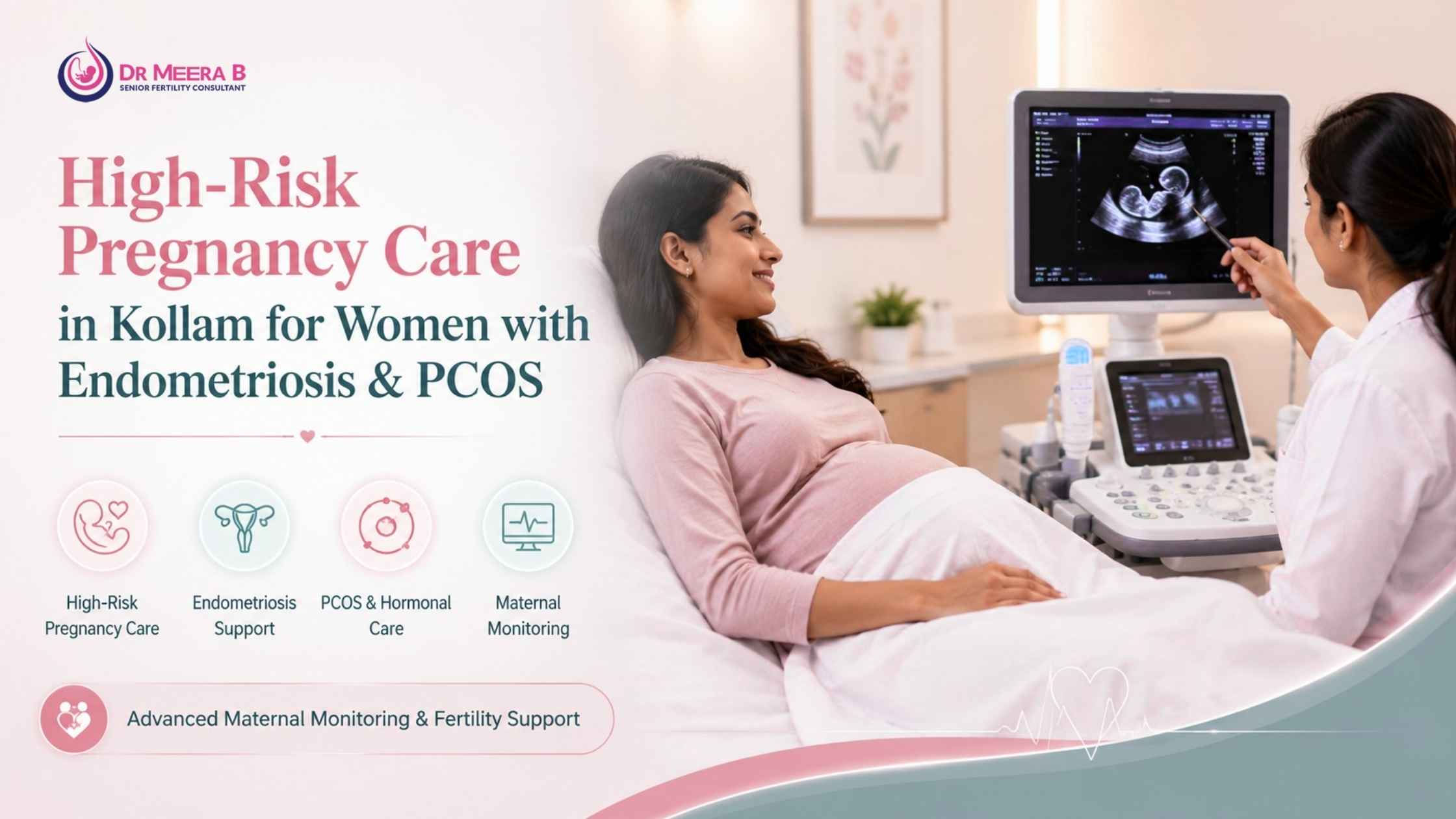
High-Risk Pregnancy Care in Kollam for Women with Endometriosis & PCOS
According to globally published reproductive health studies, women with PCOS can experience pregnancy complications at significantly higher rates compared to women without hormonal disorders, while endometriosis has also been linked with increased risks during conception and pregnancy. This reality makes early monitoring, specialist intervention, and structured prenatal care critically important. For women searching for dependable high-risk pregnancy care Kollam, timely guidance from an experienced specialist can make a meaningful difference in maternal and fetal outcomes.
Many women silently struggle with irregular cycles, painful periods, infertility concerns, recurrent miscarriages, or anxiety about whether pregnancy is even possible. Unfortunately, delaying expert care often increases emotional stress and medical risk. That is where Dr Meera B’s decades of experience in reproductive medicine, obstetrics, and fertility-focused maternal care become invaluable for women across Kerala.
Dr Meera B, a highly respected pregnancy specialist Kerala, combines evidence-based medicine with compassionate support for women facing complicated pregnancies related to hormonal imbalance, ovarian dysfunction, fertility challenges, or gynecological conditions such as endometriosis. Her consultations at Dr Meera B’s place of practice, including Aster PMF Hospital, Sasthamkotta, provide women access to advanced pregnancy monitoring pathways, fertility evaluation, and individualized maternal care plans.
Why are PCOS and endometriosis considered high-risk during pregnancy?
PCOS and endometriosis can affect fertility, implantation, hormonal stability, and pregnancy progression. Women with these conditions may require closer monitoring because of elevated risks associated with conception and maternal health.
Polycystic Ovary Syndrome (PCOS) can contribute to:
- Irregular ovulation
- Difficulty conceiving naturally
- Gestational diabetes
- High blood pressure during pregnancy
- Increased risk of preterm birth
- Higher chances of miscarriage
Similarly, endometriosis may lead to:
- Pelvic inflammation
- Fertility-related complications
- Pain during pregnancy
- Placental complications
- Increased risk of cesarean delivery in some cases
This is why specialized PCOS pregnancy care and structured endometriosis pregnancy support should never be delayed once pregnancy is planned or confirmed.
How does Dr Meera B approach high-risk pregnancy management?
Dr Meera B follows a carefully structured, evidence-based approach that prioritizes maternal safety, fetal development, and long-term reproductive health.
With over three decades of experience and advanced qualifications including MRCOG (UK) and FRCOG (UK), Dr Meera B understands that no two pregnancies are identical. Women with PCOS or endometriosis often require personalized care plans instead of generic treatment pathways.
Comprehensive pre-pregnancy assessment
Women planning pregnancy are often advised to undergo a detailed evaluation before conception. This may include:
- Hormonal assessment
- Ovulation evaluation
- Ultrasound monitoring
- Thyroid screening
- Metabolic health analysis
- Fertility evaluation
- Assessment of ovarian reserve when required
This proactive approach helps identify potential complications early rather than reacting after problems arise.
Individualized fertility and pregnancy planning
For women who struggle to conceive due to PCOS or endometriosis, Dr Meera B’s expertise in reproductive medicine becomes especially important. Having received training at the globally renowned Bourn Hall Clinic in Cambridge, UK, she brings internationally informed fertility insights to women in Kerala.
Depending on individual medical needs, pregnancy planning may involve:
- Ovulation induction
- Lifestyle and metabolic optimization
- Monitoring follicular development
- Guided fertility support
- Advanced reproductive techniques when medically appropriate
Advanced pregnancy monitoring
Women with high-risk pregnancies benefit greatly from continuous observation and timely intervention. At Dr Meera B’s place of practice, including Aster PMF Hospital, Sasthamkotta, modern maternal-fetal monitoring systems and coordinated obstetric care pathways support better pregnancy supervision.
Monitoring may include:
- Regular fetal growth scans
- Blood pressure monitoring
- Blood sugar surveillance
- Placental assessment
- Nutritional guidance
- Weight management
- Early identification of warning signs
What makes pregnancy care for PCOS different?
Women with PCOS often require more than standard prenatal care because hormonal imbalance and insulin resistance can affect both mother and baby throughout pregnancy.
Specialized PCOS pregnancy care focuses on reducing preventable complications while supporting healthy fetal development.
| PCOS-related concern | Why monitoring matters |
|---|---|
| Insulin resistance | May increase risk of gestational diabetes |
| Weight fluctuations | Can influence blood pressure and delivery outcomes |
| Hormonal imbalance | May affect pregnancy progression |
| Ovulatory dysfunction | Requires careful fertility planning |
| Inflammation | Can influence maternal wellbeing |
Women often underestimate how closely PCOS and pregnancy health are connected. Ignoring symptoms or depending on unverified advice online can increase anxiety and delay timely intervention. Under the guidance of Dr Meera B, women receive medically grounded recommendations rather than unrealistic promises.
How does endometriosis affect pregnancy outcomes?
Endometriosis affects women differently, which is why personalized assessment is essential. Some women conceive naturally, while others may need fertility-focused support.
Structured endometriosis pregnancy support can help women manage both physical discomfort and reproductive concerns more confidently.
Common challenges linked with endometriosis may include:
- Difficulty conceiving
- Pelvic pain
- Scar tissue affecting reproductive organs
- Inflammatory changes
- Emotional stress associated with prolonged infertility
One of the biggest mistakes women make is assuming painful periods are “normal” and delaying evaluation for years. Early diagnosis and expert intervention can significantly improve reproductive planning opportunities.
Dr Meera B’s experience in reproductive medicine allows her to guide women through appropriate investigations, fertility planning, pregnancy monitoring, and obstetric management based on medically proven protocols.
Why are women across Kerala seeking specialist pregnancy care?
Women today are increasingly informed about reproductive health risks and understand the importance of specialist-led maternal care. However, finding a trusted pregnancy specialist Kerala with extensive experience in both fertility medicine and high-risk obstetrics remains crucial.
Dr Meera B’s reputation has grown steadily because of:
- More than 30 years of clinical experience
- Internationally recognized qualifications
- Expertise in reproductive medicine and IVF
- Balanced, ethical, evidence-based care
- Patient-centered consultation style
- Focus on medically appropriate treatment pathways
Women dealing with delayed conception or medically complicated pregnancies often feel emotionally exhausted before they even reach a specialist. Many arrive after trying multiple treatments elsewhere without clear direction. Dr Meera B’s structured and transparent approach helps patients better understand their options and next steps.
How does early intervention improve pregnancy outcomes?
Early specialist evaluation increases the chances of identifying risks before complications escalate. Women with PCOS or endometriosis should ideally seek consultation even before conception whenever possible.
Benefits of early intervention may include:
- Better metabolic health management
- Improved ovulation tracking
- Earlier detection of pregnancy complications
- Improved nutritional guidance
- Reduced anxiety through continuous medical support
- Personalized prenatal care strategies
Delaying specialist care may lead to avoidable complications that become more difficult to manage later in pregnancy. This is why many women increasingly prefer structured high-risk pregnancy care Kollam under experienced specialists rather than generalized pregnancy monitoring alone.
What role does modern infrastructure play in maternal care?
High-risk pregnancies require access to coordinated medical infrastructure, timely investigations, and advanced obstetric support systems.
At Dr Meera B’s place of practice, including Aster PMF Hospital, Sasthamkotta, women benefit from access to modern pregnancy monitoring technologies and multidisciplinary medical support systems that contribute to safer maternal care pathways.
This becomes especially important for women who may require:
- Frequent fetal monitoring
- Emergency obstetric assessment
- Metabolic evaluation
- Advanced ultrasound imaging
- Specialized antenatal supervision
About Dr Meera B
Dr Meera B is a senior gynecologist and reproductive medicine specialist based in Kerala with qualifications including MBBS, DGO, DNB(O&G), MRCOG(UK), and FRCOG(UK). She graduated from Government Medical College, Trivandrum, and completed her postgraduate training at Government Medical College, Kottayam.
Her advanced training in reproductive medicine at the renowned Bourn Hall Clinic in Cambridge, UK, adds global exposure to her extensive experience in fertility and maternal healthcare. Over the years, she has helped numerous couples facing fertility concerns and high-risk pregnancies through scientifically guided treatment pathways and ethical clinical practice.
Today, women seeking reliable PCOS pregnancy care, fertility-focused pregnancy guidance, and specialized endometriosis pregnancy support increasingly turn to Dr Meera B for individualized attention and evidence-based maternal care.
Book a consultation with Dr Meera B
Women experiencing pregnancy complications, hormonal imbalance, fertility concerns, recurrent pregnancy loss, or high-risk maternal conditions should not postpone expert consultation.
To book an appointment with Dr Meera B, patients may:
- Fill and submit the consultation form at https://drmeerab.com/contact/
- Call or WhatsApp +91 9447145101 requesting an appointment
- Use the WhatsApp interface available on the website for appointment assistance
Dr Meera B’s team will coordinate scheduling and provide further guidance regarding consultation availability and place of practice.
For women navigating the uncertainty of PCOS, endometriosis, infertility, or medically complex pregnancies, timely guidance from an experienced specialist can offer clarity, confidence, and a more structured path toward safer motherhood.
Frequently Asked Questions
Why is pregnancy considered high risk for women with PCOS or endometriosis?
Women diagnosed with PCOS or endometriosis may face a higher chance of complications during pregnancy, including hormonal imbalance, gestational diabetes, preeclampsia, miscarriage risk, placental concerns, or preterm labor. However, with timely monitoring and personalized care, many women experience healthy pregnancies and safe deliveries.
Dr. Meera B provides advanced high-risk pregnancy care Kollam services focused on early diagnosis, regular fetal monitoring, nutritional guidance, and close maternal supervision throughout every trimester. Her approach is designed to reduce risks while helping mothers feel confident and supported during pregnancy.
How does Dr. Meera B support women with PCOS during pregnancy?
PCOS can affect hormone regulation, insulin response, and ovulation, which may continue to influence pregnancy health even after conception. Dr. Meera B offers individualized PCOS pregnancy care plans that include weight management support, blood sugar monitoring, medication guidance when needed, and regular ultrasound assessments.
The goal is not only to support conception but also to ensure healthy fetal growth and maternal wellbeing throughout pregnancy. Women receive detailed counseling about nutrition, activity levels, sleep patterns, and warning signs that should never be ignored during a high-risk pregnancy.
Can women with endometriosis have a safe and healthy pregnancy?
Yes, many women with endometriosis go on to have successful pregnancies with the right medical supervision. Since endometriosis may increase the risk of inflammation, pelvic discomfort, or placental complications, careful observation during pregnancy becomes extremely important.
Dr. Meera B offers comprehensive endometriosis pregnancy support by monitoring maternal health, tracking fetal development closely, and addressing symptoms early before they become severe. Her patient-centered approach helps women manage anxiety and physical discomfort while ensuring both mother and baby receive continuous attention.
When should I consult a specialist if I have PCOS or endometriosis and want to become pregnant?
It is best to consult a specialist before conception whenever possible. Pre-pregnancy counseling helps evaluate hormonal balance, menstrual history, ovarian health, nutritional status, and any existing medical conditions that could affect pregnancy outcomes.
As a trusted pregnancy specialist Kerala women rely on, Dr. Meera B helps patients prepare their bodies for pregnancy through personalized fertility evaluation, lifestyle guidance, and preventive care planning. Early consultation can improve pregnancy readiness and reduce the likelihood of avoidable complications later.
What tests and monitoring are usually required during a high-risk pregnancy?
Women with high-risk pregnancies may need more frequent prenatal visits, ultrasounds, blood sugar testing, blood pressure monitoring, fetal growth scans, and hormone evaluations. The frequency of testing depends on individual symptoms, medical history, and pregnancy progression.
Dr. Meera B creates customized monitoring schedules to ensure that any potential issue is identified early. This proactive approach allows timely intervention and improves the chances of a smoother pregnancy journey for both mother and baby.
Can lifestyle changes improve pregnancy outcomes for women with PCOS?
Yes, healthy lifestyle choices can significantly improve pregnancy outcomes for women with PCOS. Balanced nutrition, controlled weight gain, stress management, proper sleep, and moderate exercise often help regulate metabolism and reduce complications linked to insulin resistance.
Dr. Meera B works closely with patients to create realistic lifestyle strategies that fit their health condition and pregnancy stage. These recommendations are combined with ongoing medical supervision to help maintain stable maternal and fetal health.
What makes Dr. Meera B’s approach different for high-risk pregnancies?
Dr. Meera B focuses on individualized pregnancy care rather than a one-size-fits-all treatment approach. Every patient receives attention based on her medical history, fertility background, hormone profile, pregnancy symptoms, and emotional wellbeing.
Her approach combines compassionate communication, advanced prenatal monitoring, and evidence-based treatment planning. Women dealing with PCOS, endometriosis, recurrent pregnancy concerns, or hormonal complications benefit from structured guidance and continuous support throughout pregnancy and delivery preparation.
How often should follow-up visits happen during a high-risk pregnancy?
Follow-up frequency depends on the mother’s condition, pregnancy stage, and overall risk factors. Some women may require monthly visits during the early stages, while others may need more frequent monitoring during the second and third trimesters.
Dr. Meera B carefully schedules prenatal visits to ensure maternal health, fetal growth, and vital pregnancy markers are monitored consistently. Timely follow-up care helps detect complications early and provides reassurance to expecting mothers during every phase of pregnancy.
Comments are closed