
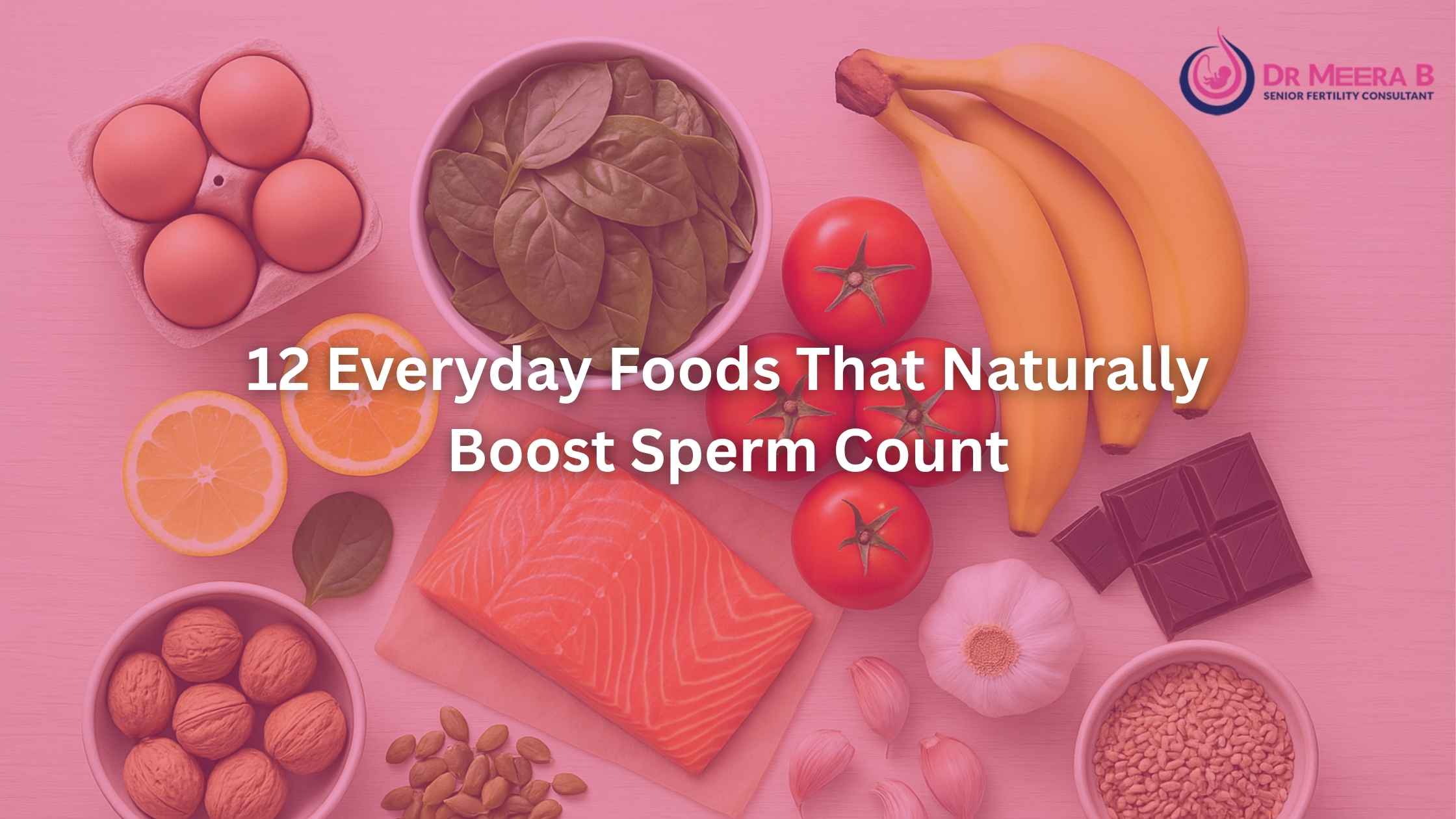
12 everyday foods that naturally boost sperm count
According to data published by the World Health Organization, nearly 1 in 6 couples worldwide experience infertility, and male factors—including low sperm count—contribute to almost 40–50% of these cases. This makes understanding sperm count foods not just a lifestyle topic, but a crucial medical and emotional concern for couples planning a family. The reassuring truth is that everyday nutrition plays a scientifically proven role in improving sperm health, especially when guided by an experienced fertility specialist like Dr Meera B.
With over three decades of clinical experience in reproductive medicine and IVF, Dr Meera B helps couples understand how simple, evidence-based dietary choices—combined with timely medical evaluation—can significantly influence male fertility outcomes. This article explains how everyday foods can support sperm health, why they matter, and when professional guidance becomes essential.
Why diet matters for sperm count and male fertility
Why does food influence sperm health? Sperm production is a continuous biological process that depends on adequate nutrients, antioxidants, healthy fats, vitamins, and minerals. Deficiencies, oxidative stress, obesity, smoking, and chronic stress can all impair sperm production, motility, and morphology.
As Dr Meera B often emphasizes during consultations at her place of practice, including Aster PMF Hospital, Sasthamkotta, food alone is not a “miracle cure,” but it is a powerful foundation. Nutrition works best when combined with medical evaluation, lifestyle correction, and personalized fertility planning.
What foods increase sperm count naturally?
What foods increase sperm count? Foods rich in zinc, selenium, omega-3 fatty acids, folate, vitamin C, vitamin E, and antioxidants have been shown in multiple peer-reviewed studies to support spermatogenesis. Below is a medically grounded, practical list recommended in principle by fertility specialists like Dr Meera B.
1. Eggs – a complete sperm-supporting food
Eggs are an excellent sperm producing food because they contain high-quality protein, vitamin E, and vitamin B12. These nutrients help protect sperm cells from oxidative damage while supporting DNA integrity.
For men with borderline sperm parameters, Dr Meera B often explains that protein adequacy is essential, as sperm cells are highly sensitive to nutritional deficits during their development cycle of approximately 74 days.
2. Spinach – rich in folate for sperm health
Spinach provides folate, iron, and magnesium, making it a valuable inclusion in any sperm increase food list. Folate supports DNA synthesis and reduces chromosomal abnormalities in sperm.
Consistent intake of leafy greens is associated with better sperm concentration and motility, especially when paired with a balanced lifestyle.
3. Walnuts – omega-3 fatty acids for sperm quality
Walnuts are one of the most researched foods for sperm count. They are rich in omega-3 fatty acids and antioxidants that improve sperm membrane structure and motility.
- Improves sperm vitality
- Supports healthy morphology
- Reduces oxidative stress
4. Pumpkin seeds – zinc for testosterone balance
Zinc deficiency is strongly linked with reduced sperm production. Pumpkin seeds are a natural zinc powerhouse and are widely regarded as a good food for sperm count increase.
Dr Meera B highlights zinc’s role in regulating testosterone and supporting normal sperm maturation, especially in men with lifestyle-related fertility challenges.
5. Fatty fish – natural support for sperm volume
Fatty fish such as salmon and sardines contain omega-3 fatty acids that enhance sperm membrane fluidity. These are scientifically recognized foods to increase sperm volume when consumed regularly.
Omega-3s also reduce inflammation and support overall hormonal balance, which indirectly improves reproductive outcomes.
6. Bananas – energy and enzyme support
Bananas contain bromelain, vitamin B6, and potassium, all of which help regulate sex hormones and energy levels. They are often overlooked but remain effective boost sperm count foods when included as part of a balanced diet.
7. Dark chocolate – antioxidants that protect sperm
Dark chocolate contains L-arginine and flavonoids that help improve blood flow and protect sperm DNA from oxidative stress. Moderation is key, as excess sugar can have the opposite effect.
8. Garlic – selenium and immune support
Garlic is rich in selenium, which improves sperm motility and protects sperm cells from damage. It also supports immune health, indirectly benefiting fertility.
9. Citrus fruits – vitamin C for sperm protection
Oranges, lemons, and grapefruits are packed with vitamin C, which helps prevent sperm agglutination and improves overall sperm count and motility.
10. Pomegranate – improved sperm concentration
Pomegranate juice has been shown in studies to increase sperm concentration and motility due to its strong antioxidant profile.
11. Oats – sustained energy and hormone regulation
Oats provide complex carbohydrates, zinc, and fiber, supporting stable blood sugar levels and testosterone production.
12. Lentils – plant-based fertility support
Lentils are rich in folate, protein, and iron, making them ideal for men seeking plant-based foods for sperm count improvement.
When food is not enough: why expert consultation matters
While nutrition plays a vital role, persistent low sperm count often requires deeper evaluation. Hormonal imbalances, varicocele, infections, genetic factors, or lifestyle-related damage may need medical intervention.
This is where the expertise of Dr Meera B becomes invaluable. With advanced training in reproductive medicine and IVF from the prestigious Bourn Hall Clinic, Cambridge, Dr Meera B combines dietary guidance with evidence-based diagnostics and treatment planning at her place of practice.
About Dr Meera B
Dr Meera B is a senior gynecologist and fertility specialist based in Kollam, Kerala, with over 30 years of experience in Obstetrics, Gynaecology, Reproductive Medicine, and IVF. She holds MBBS, DGO, DNB (O&G), MRCOG (UK), and FRCOG (UK) qualifications and currently consults at leading hospitals including Aster PMF Hospital, Sasthamkotta.
Couples from India and abroad seek her guidance for ethical, evidence-based fertility care that prioritizes safety, transparency, and long-term outcomes.
Take the next step toward parenthood
If you are searching for clarity, direction, and medically sound guidance on male fertility, timely consultation can make all the difference. To book an appointment with Dr Meera B, you may fill out the consultation form at https://drmeerab.com/contact/, call +91 9447145101, or send a WhatsApp message using the website interface. Dr Meera’s team will coordinate your appointment and guide you through the next steps.
Frequently asked questions
Sperm count foods are everyday, nutrient-rich foods that support the natural process of sperm production by supplying antioxidants, healthy fats, vitamins, and minerals. When advised correctly by an experienced fertility specialist like Dr. Meera B, these foods help reduce oxidative stress and support hormonal balance, which are both critical for healthy sperm development.
When patients ask what foods increase sperm count, Dr. Meera B explains that scientific evidence supports foods rich in zinc, omega-3 fatty acids, folate, and antioxidants. Examples include eggs, walnuts, fatty fish, leafy greens, fruits, and lentils. These foods support spermatogenesis but work best when combined with medical evaluation.
There is no single universal sperm increase food list, but evidence-based nutrition patterns are well established. Dr. Meera B recommends focusing on balanced meals that include vegetables, fruits, whole grains, nuts, seeds, and quality proteins, while avoiding excessive processed foods, alcohol, and smoking.
Foods to increase sperm volume, such as fatty fish, fruits rich in vitamin C, and adequate hydration, can support seminal fluid production. However, Dr. Meera B emphasizes that volume alone does not determine fertility; sperm quality, motility, and DNA integrity are equally important and often require medical assessment.
Yes, foods for sperm count are often recommended alongside fertility treatment to support overall outcomes. Dr. Meera B integrates nutritional guidance with diagnostic testing and treatment planning at her place of practice, including Aster PMF Hospital, Sasthamkotta, ensuring dietary advice aligns with each patient’s medical profile.
There is no single sperm producing food that guarantees results. Sperm health depends on multiple factors such as hormones, lifestyle, age, and underlying medical conditions. Dr. Meera B strongly advises against relying on food alone and encourages professional evaluation to identify and treat the root cause.
Boost sperm count foods are most effective when they are part of a comprehensive fertility care plan. Under Dr. Meera B’s guidance, nutrition is combined with lifestyle counseling, diagnostic testing, and advanced reproductive techniques when required, ensuring a safe and ethical approach to fertility care.
A good food for sperm count increase includes nutrient-dense options like nuts, seeds, fruits, vegetables, eggs, and whole grains. If conception has not occurred after 6–12 months of trying, Dr. Meera B recommends timely consultation to evaluate both partners and avoid unnecessary delays in treatment.
Comments are closed