
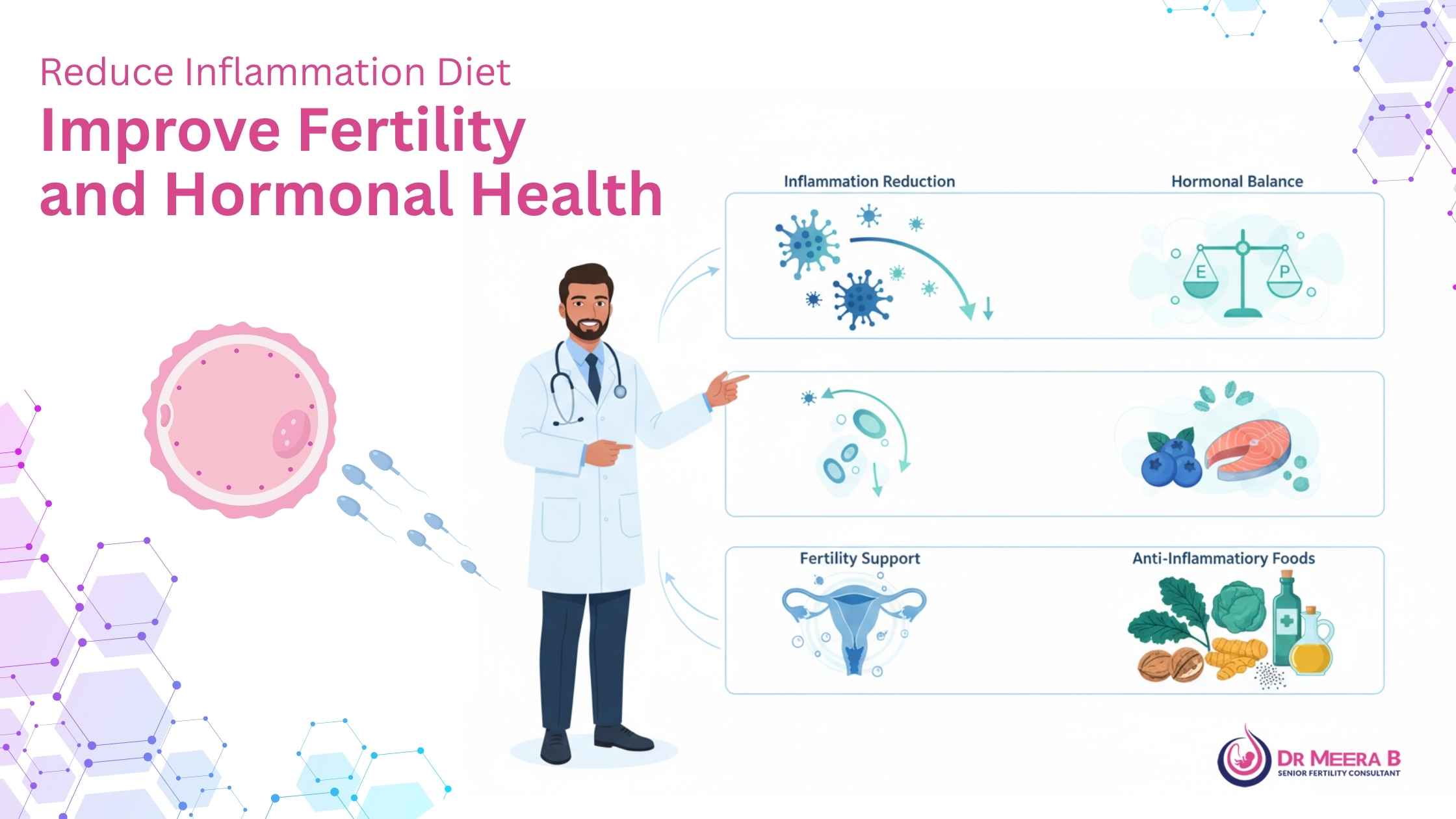
Reduce inflammation diet: Improve fertility and hormonal health
Research shows that nearly 60% of infertility cases worldwide have an underlying inflammatory component, making a targeted reduce inflammation diet one of the most powerful, non-invasive strategies to support reproductive health. Under the expert guidance of Dr Meera B, MBBS, DGO, DNB(O&G), MRCOG(UK), FRCOG(UK), women and couples across Kerala—especially in Kollam and at her place of practice in Aster PMF Hospital, Sasthamkotta—discover how nutrition can transform hormonal function, fertility potential, and long-term reproductive wellbeing.
What is a reduce inflammation diet and how does it help fertility?
A reduce inflammation diet focuses on foods that lower chronic inflammation, stabilize hormones, and support optimal reproductive function. Within just a few weeks, patients often notice improvements in menstrual regularity, ovulation quality, and overall hormonal balance—key factors for natural conception. Dr Meera B integrates this evidence-based approach into her fertility consultations, ensuring every recommendation is medically sound and scientifically validated.
Inflammation affects ovulation, egg quality, implantation, and even sperm health. By incorporating anti-inflammatory foods and removing inflammatory triggers, this nutritional method helps couples improve conception chances naturally and safely, without making unrealistic promises or relying on untested methods.
How does a fertility diet support reproductive health?
A fertility diet strategically nourishes the endocrine and reproductive systems. It ensures that the body receives the right balance of micronutrients, antioxidants, healthy fats, and clean protein sources that support egg quality, endometrial health, and hormone production. Dr Meera B customizes fertility nutrition plans based on each patient’s medical history, metabolic requirements, and treatment goals, ensuring accuracy and safety.
How can a hormonal balance diet improve menstrual and reproductive health?
A hormonal balance diet stabilizes blood sugar, supports thyroid function, regulates estrogen and progesterone levels, and reduces inflammatory cytokines that disrupt reproductive hormones. Balanced meals reduce PMS symptoms, painful periods, irregular cycles, and mood fluctuations, all of which are important markers of reproductive health. Under Dr Meera B’s supervision, patients learn the exact foods that help them achieve natural hormonal rhythm.
Why is omega-3 and fertility often linked?
Omega-3 and fertility research shows that these essential fatty acids lower inflammation, improve uterine blood flow, and enhance cervical mucus quality. Omega-3s also support healthy ovulation and hormone regulation. Clinically, Dr Meera B often recommends omega-3 rich foods—from flaxseeds to oily fish—while ensuring they are consumed within medically accepted limits, especially for patients undergoing procedures such as IVF.
Plant-based proteins for fertility: Are they beneficial?
Yes. Plant-based proteins for fertility support reproductive health by reducing inflammatory markers, improving insulin sensitivity, and supplying essential amino acids for hormonal production. They are also gentler on digestion and metabolism. Examples include lentils, beans, quinoa, nuts, and seeds. Dr Meera B incorporates these into balanced meal plans, especially for women with PCOS, endometriosis, or metabolic inflammation.
How do antioxidants for fertility protect eggs and hormones?
Antioxidants for fertility neutralize oxidative stress—a major cause of poor egg quality, DNA damage, and early ovarian aging. Antioxidant-rich foods like berries, spinach, turmeric, and green tea are scientifically proven to improve ovulatory function. Dr Meera B ensures that patients receive the right antioxidant combinations to support natural conception or advanced fertility treatments with precision and safety.
Whole grains for fertility: Why do they matter?
Whole grains for fertility stabilize insulin levels, which directly influence hormonal balance, especially in women with PCOS or irregular cycles. They contain fiber, B vitamins, and minerals essential for egg development and hormone regulation. Replacing refined grains with whole grains is one of the simplest, most effective dietary changes recommended during consultations with Dr Meera B.
Healthy fats for fertility: What role do they play?
Healthy fats for fertility help produce reproductive hormones, support nutrient absorption, and reduce systemic inflammation. Foods like avocados, nuts, seeds, and olive oil are key components of fertility nutrition, especially for patients looking to improve ovulation and egg health. Under medical guidance, these fats are balanced properly to avoid excess calorie intake while maximizing reproductive benefits.
How to reduce sugar for hormonal balance?
Choosing to reduce sugar for hormonal balance is one of the most transformative steps for reproductive health. High sugar intake disrupts insulin, increases androgen levels, and interferes with ovulation. Dr Meera B guides patients on adopting sustainable sugar-reduction strategies tailored to their lifestyle, ensuring results without extreme or unsafe diets.
What is fertility nutrition and why does it matter?
Fertility nutrition is a science-backed method of supporting reproductive function through targeted dietary strategies. It includes anti-inflammatory foods, hormone-supportive nutrients, antioxidant-rich produce, and balanced macronutrients. In consultations, Dr Meera B provides personalized fertility nutrition plans that complement medical treatments, improving conception outcomes naturally and safely.
Why should you limit trans fats for fertility?
Choosing to limit trans fats for fertility protects hormone production and improves uterine and ovarian function. Trans fats are associated with increased inflammation, insulin resistance, and reduced ovulation frequency. Removing them is essential for anyone on a reduce inflammation diet. Dr Meera B ensures patients receive clear, practical guidance to eliminate hidden trans fats found in packaged and fried foods.
How does Dr Meera B support couples with fertility-focused dietary planning?
With more than 30 years of experience, global training at Bourn Hall Clinic in Cambridge, and current practice at Aster PMF Hospital Sasthamkotta, Dr Meera B integrates medical expertise with personalized nutritional guidance. Her approach ensures that every dietary recommendation is evidence-backed, safe, and tailored to the patient’s reproductive goals.
To book an appointment, individuals may fill in the consultation form at https://drmeerab.com/contact/, call +91 9447145101, or send a WhatsApp message through the website. Dr Meera’s team will schedule the appointment and keep you informed.
About Dr Meera B
Dr Meera B is a leading obstetrician, gynecologist, and fertility expert from Kollam, Kerala. With credentials including MBBS, DGO, DNB(O&G), MRCOG(UK), and FRCOG(UK), she specializes in reproductive medicine and advanced fertility treatments. She is widely respected for her ethical, evidence-based approach and her expertise in guiding couples through complex fertility journeys.
Frequently Asked Questions
In Dr. Meera B's practice, the reduce inflammation diet is a structured way of eating that calms chronic, low-grade inflammation that can interfere with ovulation, egg quality, sperm health, and hormonal signaling. It emphasises colourful vegetables and fruits, gentle fibre, quality proteins, and the right fats, while cutting back on processed foods that trigger inflammatory pathways. When inflammation is reduced, your body can redirect more energy and nutrients toward healing, hormonal repair, and healthy conception.
A fertility diet is much more targeted than a generic "healthy eating" plan. Instead of only counting calories or macros, it looks closely at how foods affect egg and sperm quality, cervical mucus, implantation, and hormone production. This is where personalised fertility nutrition becomes important — Dr. Meera B tailors meal plans to your specific cycle patterns, lab markers, and lifestyle so that every plate is intentionally aligned with your fertility and hormone goals.
A hormonal balance diet is designed to support stable blood sugar, optimal thyroid function, and balanced reproductive hormones like estrogen, progesterone, LH, and FSH. It is especially helpful for women with irregular cycles, PCOS, painful periods, or perimenopausal symptoms that are affecting fertility. In her programs, Dr. Meera B uses lab-guided tweaks to this pattern, so your meals gently nudge your hormones toward a more predictable and fertile rhythm.
The link between omega-3 and fertility is strong: these fatty acids support anti-inflammatory pathways, healthy cervical mucus, hormone production, and blood flow to the ovaries and uterus. Dr. Meera B usually assesses how much fatty fish, seeds, and nuts you already eat, then suggests food upgrades and, where needed, carefully chosen supplements. This helps build a nourishing foundation for egg and sperm quality while also supporting mood and reducing period pain.
Yes, you can absolutely rely on plant-based proteins for fertility as long as they are well planned. Lentils, beans, tofu, tempeh, peas, and certain whole grains can be combined to provide all the essential amino acids your reproductive system needs. In her consultations, Dr. Meera B helps you build balanced, plant-forward plates that keep blood sugar steady, reduce bloating, and still provide enough protein for optimal hormone and egg health.
Antioxidants for fertility help protect delicate egg and sperm cells from oxidative stress caused by everyday life, pollution, and chronic inflammation. When oxidative stress is high, it can damage DNA inside reproductive cells, lowering chances of natural conception or IVF success. Dr. Meera B uses food-first strategies with berries, greens, herbs, spices, and other colourful produce, then layers in targeted supplements only if your history, labs, or treatment plan suggest you truly need them.
In most of Dr. Meera B's meal plans, whole grains for fertility are paired with protein and vegetables to keep blood sugar stable and support steady energy through the day. Alongside this, healthy fats for fertility — from sources like avocado, nuts, seeds, and extra-virgin oils — are added to improve hormone production and nutrient absorption. This balanced plate structure keeps you full, reduces cravings, and creates a calm metabolic environment that favours conception.
You don't need to be perfect, but you do need to be intentional. When you reduce sugar for hormonal balance, you minimise the blood sugar spikes that drive excess insulin, androgen imbalance, and inflammation — all of which can disrupt ovulation. At the same time, when you gradually limit trans fats for fertility by swapping fried and ultra-processed foods with gentler cooking methods and better oils, you protect cell membranes, improve blood flow, and support healthier hormone receptor function. Dr. Meera B works with you to design realistic swaps that fit your culture, cravings, and routine, rather than rigid all-or-nothing rules.
Comments are closed