
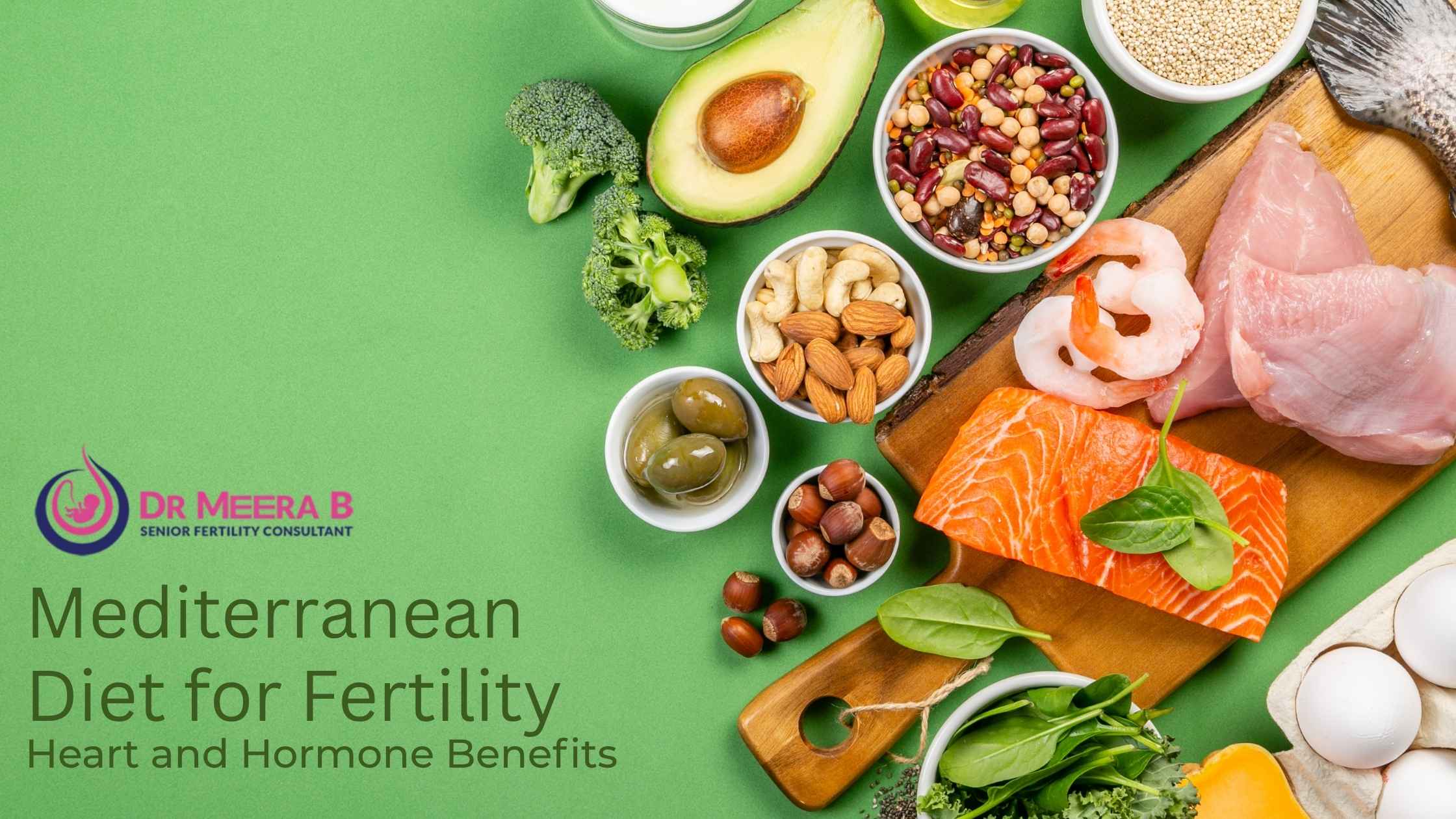
Mediterranean diet for fertility: Heart and hormone benefits
The mediterranean diet for fertility has gained remarkable scientific attention in recent years. According to a study published in *Human Reproduction*, women who adhered closely to this diet pattern experienced up to a 65% higher chance of achieving pregnancy compared to those who did not. This compelling statistic draws many couples toward dietary interventions as a powerful, evidence-based way to improve their reproductive outcomes. At the forefront of guiding couples through such proven strategies is Dr Meera B, a distinguished fertility expert with more than thirty years of clinical experience. Her personalized approach—especially at her current place of practice, Aster PMF Hospital, Sasthamkotta—helps couples align their nutrition, lifestyle, and medical care to optimize fertility holistically and safely.
What is the Mediterranean diet for fertility and why does it matter?
The mediterranean diet for fertility refers to a dietary pattern rooted in whole, minimally processed foods— scientifically shown to support reproductive health by improving hormonal balance, egg quality, sperm parameters, metabolic stability, and heart function. In the simplest terms, it is a way of eating that nourishes the reproductive system using whole grains for fertility, healthy fats for fertility, antioxidants for fertility, and high-quality plant-based proteins for fertility.
Every couple seeking a science-backed fertility diet can benefit from understanding how such a dietary approach influences hormones, inflammation, insulin regulation, and cardiovascular health—all factors that directly affect natural conception and outcomes of treatments like ovulation induction, IUI, and IVF.
How does a fertility diet support heart and hormone function?
A fertility diet supports heart function by lowering bad cholesterol, stabilizing blood pressure, and enhancing vascular health—key determinants of blood flow to the reproductive organs. Additionally, it strengthens hormone balance by stabilizing insulin and decreasing chronic inflammation. Dr Meera B emphasizes that a safe and effective diet for fertility must always be rooted in evidence-based recommendations, and the Mediterranean pattern consistently ranks among the most scientifically validated approaches.
Why are healthy fats for fertility so important?
Healthy fats for fertility—especially monounsaturated fats from olive oil, nuts, seeds, and avocados—play a vital role in hormone synthesis. Hormones like estrogen, progesterone, and testosterone require fat as their building blocks. These fats reduce oxidative stress, support cell membrane integrity, and enhance ovulatory health. In her consultations, Dr Meera B often guides couples on choosing healthy fats over harmful alternatives.
How do whole grains for fertility contribute to hormone stability?
Whole grains for fertility support stable blood sugar levels, reducing insulin resistance—a major cause of ovulatory disorders such as PCOS. Unlike refined carbs, whole grains digest slowly and maintain steady energy levels, which helps regulate reproductive hormones and improves menstrual regularity.
What role do antioxidants for fertility play?
Antioxidants for fertility protect reproductive cells from oxidative stress, a major contributor to reduced egg quality and sperm damage. Foods rich in antioxidants—berries, leafy greens, citrus fruits, tomatoes, and peppers—neutralize free radicals and promote cellular repair. By incorporating antioxidants thoughtfully, the body becomes better equipped to protect both gamete health and hormonal balance.
How do plant-based proteins for fertility enhance reproductive wellness?
Plant-based proteins for fertility come from lentils, chickpeas, beans, tofu, and nuts. Research shows that replacing even a small portion of animal protein with plant-based sources can lower inflammation, stabilize insulin, and enhance ovulation rates. These proteins are nutrient-dense and contain fiber, phytonutrients, and minerals essential for reproductive vitality.
What is the connection between omega-3 and fertility?
Omega-3 and fertility are closely linked because these fatty acids support embryo implantation, reduce inflammation, improve cervical mucus quality, and regulate ovulatory cycles. Fatty fish like salmon, sardines, and mackerel provide natural sources of omega-3s, though supplementation is considered only after a doctor’s evaluation—something Dr Meera B ensures before advising nutritional add-ons.
How does a reduce inflammation diet improve fertility outcomes?
A reduce inflammation diet focuses on eliminating foods that trigger chronic inflammation and boosting foods that support cellular healing. Chronic inflammation affects ovulation, egg quality, and sperm motility. The Mediterranean pattern is naturally anti-inflammatory and therefore perfectly suited for couples trying to conceive.
Why should couples limit trans fats for fertility?
When you limit trans fats for fertility, you protect hormone function, cardiovascular health, and ovulation frequency. Trans fats contribute to insulin resistance, increase inflammation, and disrupt hormonal pathways, making conception more difficult. Dr Meera B educates patients on recognizing hidden sources of trans fats often found in baked goods, packaged snacks, and fast foods.
How does diet and fertility connect for both men and women?
Diet and fertility are deeply intertwined for both partners. While women benefit through improved ovulation and hormone balance, men experience better sperm count, motility, and morphology when following fertility-friendly nutrition. A couple-centric approach—advocated strongly by Dr Meera B—has consistently been shown to produce the best fertility outcomes.
What are the most essential fertility boosting nutrients?
Fertility boosting nutrients include folate, vitamin D, omega-3s, zinc, selenium, magnesium, and antioxidants. These nutrients regulate hormone balance, support embryo development, and ensure healthy reproductive cycles. Dr Meera B tailors dietary plans based on lab reports, medical history, and reproductive goals—ensuring safe and individualized guidance.
How does Dr Meera B guide patients using the Mediterranean diet approach?
At Aster PMF Hospital, Sasthamkotta—one of her most recent places of practice—Dr Meera B helps couples adopt evidence-based lifestyle adjustments alongside medical treatments. She provides personalized nutrition guidance, evaluates metabolic concerns, and ensures that dietary strategies complement fertility procedures. Her global training, including at the prestigious Bourn Hall Clinic in Cambridge, adds unmatched depth to her practice.
How to consult Dr Meera B for fertility and nutrition guidance?
To book an appointment for consultation with Dr Meera B, you may fill and submit the form at https://drmeerab.com/contact/, or call +91 9447145101 to request a time slot. You may also send a WhatsApp message through the website’s interface. Her team will guide you regarding available slots and schedule your appointment accordingly.
About Dr Meera B
Dr Meera B MBBS, DGO, DNB(O&G), MRCOG(UK), FRCOG(UK) is a leading gynecologist and fertility specialist based in Kollam, Kerala. With more than thirty years of experience, she specializes in reproductive medicine, fertility assessment, ovulation induction, IUI, IVF guidance, and women’s hormonal health. Her expertise, combined with empathetic patient care, makes her one of Kerala’s most trusted fertility experts.
Frequently asked questions
The mediterranean diet for fertility is a pattern rich in vegetables, fruits, whole grains, legumes, nuts, seeds, olive oil and moderate amounts of fish and dairy. It helps improve egg and sperm quality, stabilises hormones and supports heart health by reducing inflammation and improving blood flow to the reproductive organs. Under the guidance of Dr. Meera B, this pattern is adapted to your medical history and treatment plan so that it works safely alongside investigations and fertility procedures.
A fertility diet supports hormone balance by keeping blood sugar steady, improving insulin sensitivity and supplying key nutrients used to make reproductive hormones. At the same time, it protects the heart by lowering unhealthy cholesterol and blood pressure and supporting healthy blood vessels. When Dr. Meera B sees a couple at Aster PMF Hospital, Sasthamkotta or other places of practice, she looks at both cardiovascular risk factors and reproductive goals before recommending any structured changes in food habits.
The most useful healthy fats for fertility come from extra-virgin olive oil, nuts (like almonds and walnuts), seeds (such as flax and chia), and avocados, along with moderate amounts of fatty fish if medically appropriate. These fats are building blocks for reproductive hormones and help protect egg and sperm cells from damage. Dr. Meera B advises couples on how to introduce these fats in sensible portions while keeping overall calorie intake and other health conditions in mind.
Whole grains for fertility are preferred because they digest more slowly, resulting in steadier blood sugar and less insulin resistance. Stable insulin levels help support regular ovulation and healthier hormone patterns. Examples include brown rice, oats, millets and whole wheat. When you consult with Dr. Meera B, she may suggest specific whole grains that fit your cultural food habits, medical conditions and any treatments such as ovulation induction or IVF.
Antioxidants for fertility help counteract oxidative stress, which can damage the DNA and membranes of eggs and sperm. Colourful fruits and vegetables, such as berries, spinach, tomatoes and citrus, naturally supply these protective compounds. In her consultations, Dr. Meera B focuses on food-based antioxidant sources first and considers supplements only when there is a proven indication and no conflict with other prescribed medicines or fertility treatments.
For many couples, plant-based proteins for fertility can be entirely adequate when planned correctly. Lentils, chickpeas, beans, soy products and nuts provide protein, fibre, iron and other important micronutrients. During an appointment, Dr. Meera B reviews your blood tests, body weight trends and eating patterns to ensure that vegetarian or predominantly plant-based diets still cover your protein and micronutrient needs in a safe, sustainable way.
Omega-3 and fertility are linked through better egg quality, healthier sperm membranes, improved implantation and lower inflammation. Sources include oily fish, flaxseeds and walnuts. However, the right dose and form can vary depending on your medical background, medications and treatment plan. That is why Dr. Meera B only recommends fish intake or omega-3 supplements after carefully reviewing your reports and ongoing fertility protocol rather than using a one-size-fits-all approach.
A reduce inflammation diet emphasises vegetables, fruits, whole grains, good fats and high-quality proteins while cutting back on highly processed foods. When you also limit trans fats for fertility by avoiding deep-fried items, certain baked goods and packaged snacks, you support healthier hormone signalling and blood vessels. For couples seen by Dr. Meera B, these changes are planned gradually so they are realistic to follow during emotionally demanding fertility journeys.
Common fertility boosting nutrients include folate, vitamin D, iron, B12, iodine, zinc, selenium and omega-3 fatty acids. The link between diet and fertility is never treated in isolation by Dr. Meera B; she always combines your clinical findings, age, treatment plan and lifestyle before suggesting tests or dietary adjustments. To discuss a personalised plan, you can fill the contact form on her website or call +91 9447145101 so that her team can help schedule a consultation at her place of practice.
Comments are closed