
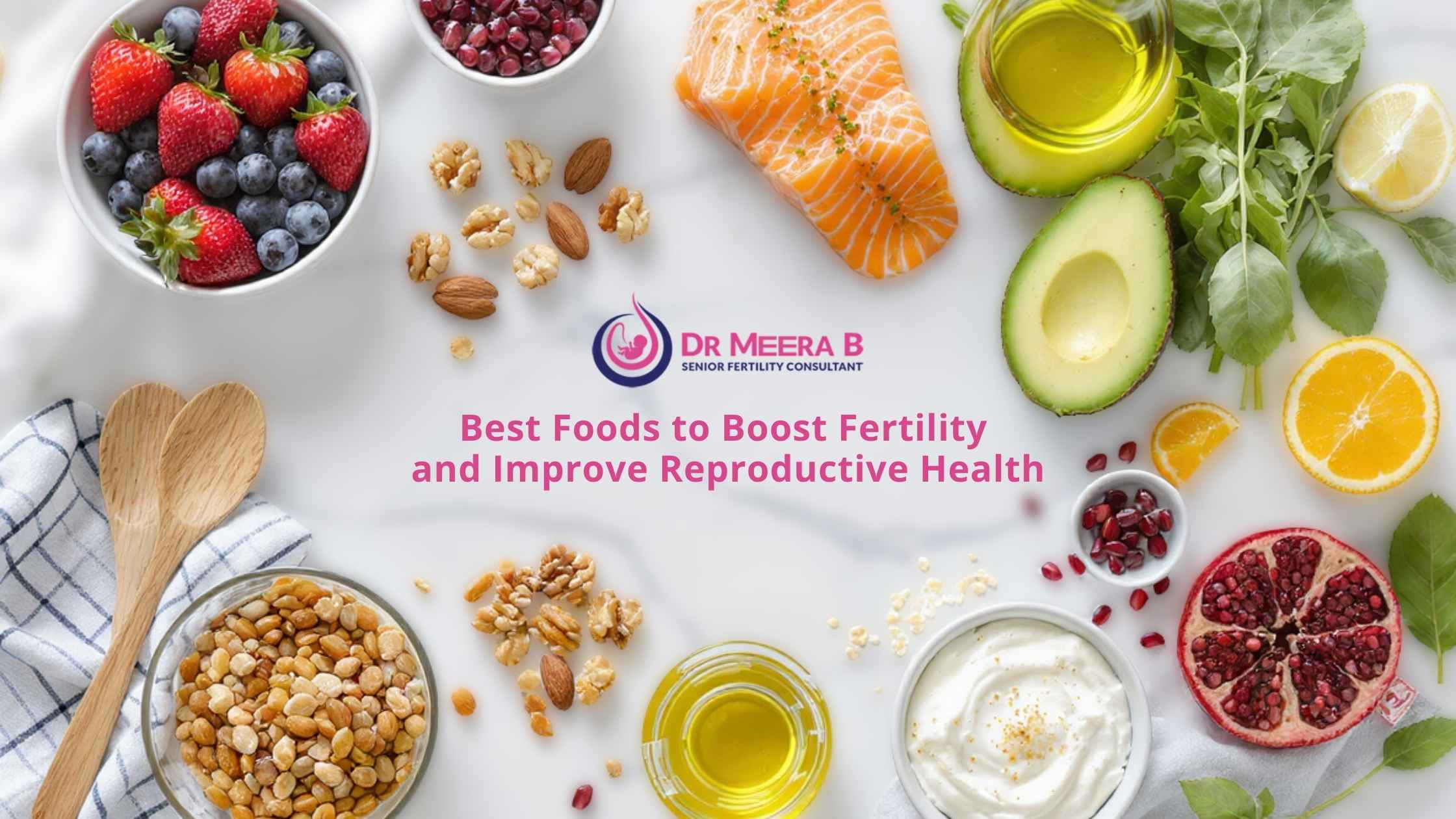
Best foods to boost fertility and improve reproductive health
According to public health data referenced by the World Health Organization, nearly 1 in 6 couples worldwide experience infertility at some point in their reproductive years, making the search for effective, natural, and medically proven solutions more important than ever. One of the most powerful yet often underestimated tools in reproductive medicine is nutrition. Understanding the right foods to boost fertility can play a meaningful role in improving reproductive outcomes when guided by medical expertise and evidence-based care.
At Dr Meera B’s place of practice, including her consultations at Aster PMF Hospital, Sasthamkotta, dietary guidance is approached as a scientifically grounded support system that works alongside medical evaluation and treatment. This article explores how targeted nutrition, backed by decades of clinical experience, can positively influence reproductive health for both women and men.
How does diet influence fertility and reproductive health?
Diet influences fertility by supporting hormonal balance, egg and sperm quality, uterine receptivity, and overall metabolic health. A well-planned fertility diet provides essential nutrients that the reproductive system depends on for optimal function, while reducing inflammation and oxidative stress that can impair conception.
Dr Meera B emphasizes that nutrition alone is not a cure for infertility, but when combined with proper diagnosis and treatment, fertility-friendly foods can significantly improve the body’s readiness for conception. This balanced, ethical approach aligns with globally accepted reproductive medicine practices.
What are the best foods for conception according to medical science?
The best foods for conception are those that nourish reproductive organs, regulate hormones, and improve cellular health. These foods are not exotic supplements or unproven remedies, but everyday ingredients supported by clinical research and long-standing medical consensus.
Antioxidants and reproductive cell protection
Antioxidants for fertility help neutralize free radicals that can damage eggs and sperm. Oxidative stress is a known contributor to reduced reproductive potential, especially in individuals exposed to pollution, stress, or metabolic disorders.
- Colorful fruits such as berries and pomegranates
- Leafy vegetables like spinach and moringa
- Vitamin-rich vegetables including carrots and bell peppers
Dr Meera B integrates antioxidant-rich foods into personalized dietary guidance after evaluating individual fertility profiles, ensuring recommendations remain safe, realistic, and effective.
Why whole grains matter for reproductive balance
Whole grains for fertility support stable blood sugar levels, which is particularly important for women with hormonal irregularities or polycystic ovarian patterns. Stable insulin response helps maintain ovulatory regularity and hormonal harmony.
- Brown rice
- Millets such as ragi and jowar
- Oats and whole wheat
Replacing refined carbohydrates with whole grains is a foundational recommendation within a medically structured fertility diet, especially for patients preparing for assisted reproductive procedures.
How does protein intake support fertility in men and women?
Protein is essential for hormone synthesis, tissue repair, and reproductive cell development. Lean protein for conception helps meet these needs without introducing excessive saturated fats that may disrupt metabolic health.
From a clinical standpoint, Dr Meera B advises balanced protein sources rather than extreme dietary patterns. These include:
- Eggs and low-fat dairy
- Legumes and lentils
- Fish and skinless poultry
This approach supports sustainable fertility improvement while respecting individual health conditions such as thyroid disorders or insulin resistance.
What foods support uterine and endometrial health?
Uterine health foods focus on improving blood flow, reducing inflammation, and supporting the endometrial lining for implantation. Adequate uterine nutrition is essential for both natural conception and assisted reproductive treatments.
- Iron-rich leafy greens
- Vitamin C–rich fruits to aid absorption
- Healthy fats that enhance circulation
These dietary strategies are frequently discussed during fertility consultations at Dr Meera B’s place of practice, ensuring alignment with each patient’s reproductive goals and medical findings.
Why male fertility nutrition matters equally
Fertility care today recognizes that male factors contribute to nearly half of infertility cases. Nutritional strategies aimed at improving sperm quality are therefore integral to comprehensive fertility planning.
The role of zinc and healthy fats
Zinc for male fertility is associated with improved sperm count, motility, and testosterone balance. Zinc-rich foods include nuts, seeds, legumes, and whole grains.
Omega-3 and fertility are closely linked through improved cell membrane integrity and anti-inflammatory effects. Omega-3 fatty acids support both sperm quality and ovulatory health.
- Fatty fish like sardines and mackerel
- Flaxseeds and walnuts
- Cold-pressed vegetable oils
Why folate is critical before and during conception
Folate for fertility plays a vital role in DNA synthesis, egg quality, and early fetal development. Adequate folate intake before conception is associated with reduced risk of neural tube defects and improved reproductive outcomes.
Natural food sources include leafy greens, legumes, citrus fruits, and fortified grains. Dr Meera B carefully evaluates when dietary folate is sufficient and when medical supplementation may be required, always following established clinical guidelines.
How Dr Meera B integrates nutrition into fertility care
Nutrition counseling under Dr Meera B is never generic. With more than thirty years of experience and advanced training in reproductive medicine and IVF at the historic Bourn Hall Clinic in Cambridge, UK, her approach blends global best practices with individualized care.
At Dr Meera B’s place of practice, dietary strategies are aligned with:
- Hormonal assessments
- Ultrasound and diagnostic findings
- Planned fertility treatments or IVF cycles
This ensures patients do not miss the opportunity to strengthen their reproductive health through safe, proven nutritional support.
How to book a consultation with Dr Meera B
Couples and individuals seeking evidence-based fertility guidance can book a consultation by filling out the appointment form at https://drmeerab.com/contact/, calling +91 9447145101, or sending a WhatsApp message using the website interface. Dr Meera’s team will coordinate and confirm your appointment promptly.
About Dr Meera B
Dr. Meera. B, MBBS, DGO, DNB (O&G), MRCOG (UK), FRCOG (UK), is a senior gynecologist and fertility specialist based in Kollam, Kerala. A graduate of Govt Medical College, Trivandrum, with post-graduation from Govt Medical College, Kottayam, she brings international expertise and compassionate care to couples facing fertility challenges locally and globally.
Her extensive experience in reproductive medicine, combined with ethical, patient-centered care, positions her as a trusted authority in fertility guidance and treatment.
Frequently asked questions on fertility nutrition
Foods to boost fertility help support hormonal balance, egg and sperm quality, and overall reproductive health. When used as part of a medically guided approach, nutrition enhances the body’s readiness for conception without replacing proper diagnosis or treatment.
A fertility diet is a balanced, evidence-based approach to nutrition that prioritizes stable blood sugar levels, healthy fats, adequate protein, and micronutrients essential for reproductive function. Dr. Meera B individualizes this plan based on medical evaluation and reproductive goals.
Fertility-friendly foods include vegetables, fruits, whole grains, legumes, healthy fats, and quality protein sources. These are widely available foods that, when chosen correctly, form the foundation of the best foods for conception recommended in clinical practice.
Antioxidants for fertility help protect eggs and sperm from oxidative stress, which can affect genetic integrity. Fruits, vegetables, and plant-based foods rich in antioxidants are often encouraged during fertility planning under medical supervision.
Whole grains for fertility support insulin balance and ovulatory regularity, while lean protein for conception provides essential amino acids without excessive unhealthy fats. Together, they help maintain metabolic and hormonal stability important for reproduction.
Uterine health foods focus on improving blood flow, reducing inflammation, and supporting a healthy endometrial lining. Iron-rich greens, vitamin C sources, and healthy fats are commonly discussed during consultations with Dr. Meera B.
Zinc for male fertility supports sperm production and hormone balance, while omega-3 and fertility are linked through improved sperm motility and cell membrane health. Male nutrition is assessed as part of comprehensive fertility care.
Folate for fertility is essential for DNA synthesis, egg quality, and early fetal development. Adequate intake before conception is strongly supported by clinical evidence and is carefully reviewed during fertility consultations.
Comments are closed