
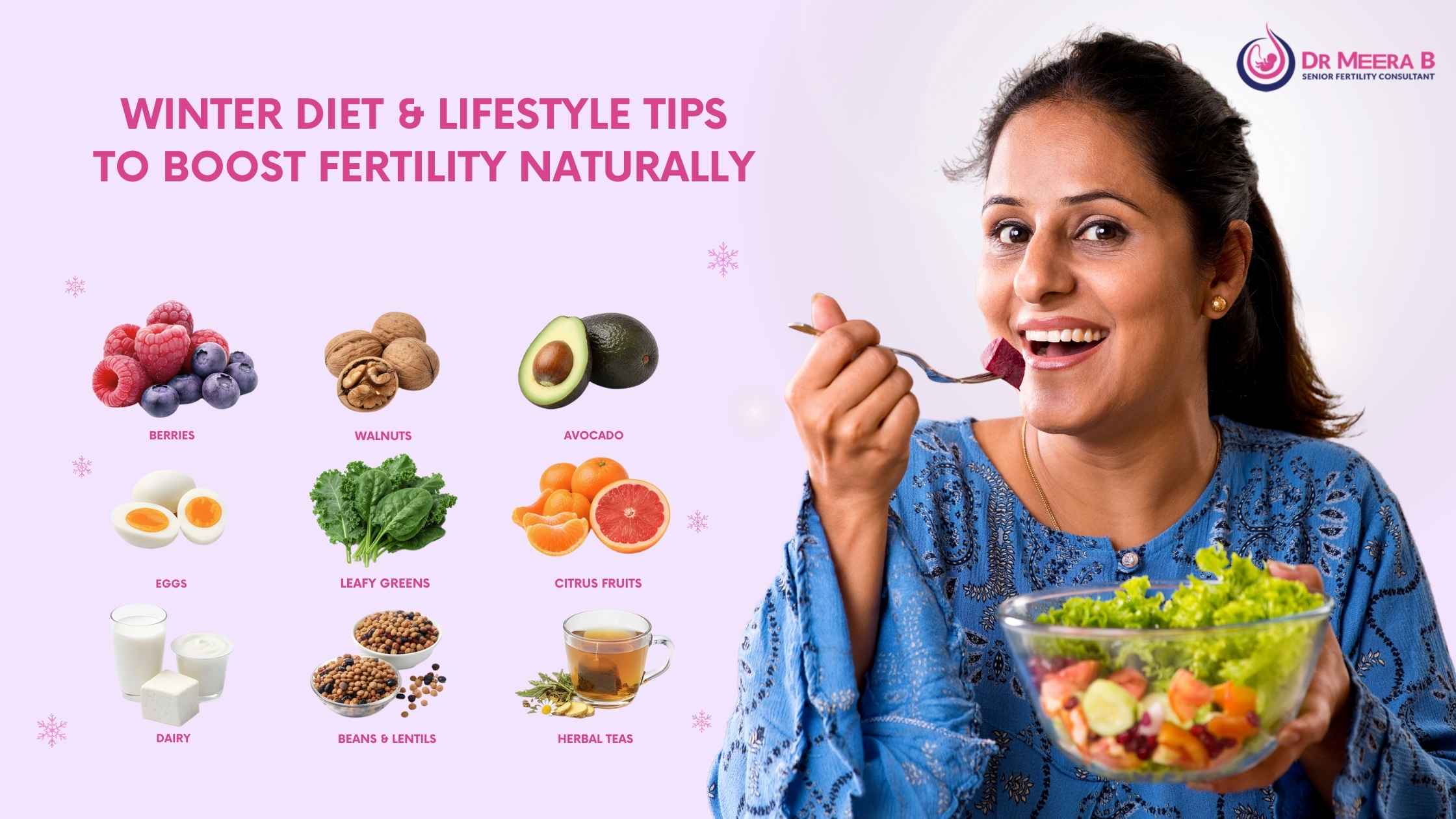
Winter diet & lifestyle tips to Boost fertility naturally
Recent studies show that nearly 15% of couples experience fertility challenges globally, with seasonal shifts—especially winter—having a measurable influence on reproductive health. This makes understanding Winter fertility tips more important than ever. Guided by the expertise of Dr Meera B, a highly regarded gynecologist in Kollam with 30+ years of clinical excellence, this article reveals evidence-backed strategies to help you Boost fertility naturally during the colder months.
As a reproductive medicine specialist trained at the world-renowned Bourn Hall Clinic, Cambridge—where the first IVF baby was born—Dr Meera B brings unmatched experience to her patients. Her guidance blends medical precision, lifestyle science, and nutritional therapy to support couples seeking Natural ways to improve fertility, particularly during winter when hormonal rhythms, metabolism, and stress levels fluctuate noticeably.
What makes winter a unique opportunity to Boost fertility naturally?
Winter creates physiological conditions—such as improved melatonin balance and deeper sleep—that can support reproductive hormones when lifestyle habits align correctly. However, inadequate nutrition, low activity levels, or unmanaged stress can work against fertility goals. That’s why following structured Winter fertility tips from a trusted expert like Dr Meera B is essential.
At Dr Meera B’s place of practice, including Aster PMF Hospital, Sasthamkotta, couples receive holistic guidance rooted in clinical evidence, helping them rebuild reproductive wellness safely and sustainably.
What is the best Fertility diet for women during winter?
The best Fertility diet for women in winter emphasizes warm, nutrient-dense foods that support ovulation, hormonal balance, and metabolic stability. Winter increases the body’s demand for energy, and the right diet can directly influence hormone production, follicle health, and menstrual regularity.
Key Foods that boost fertility
These scientifically supported Foods that boost fertility can enhance reproductive function when consumed consistently:
- Omega-3 rich foods such as walnuts, flaxseeds, and cold-water fish support egg quality and improve uterine blood flow.
- Iron-rich foods like spinach, lentils, and dates reduce the risk of ovulatory disorders.
- Vitamin D sources (egg yolks, fortified milk) help counteract winter deficiencies that affect menstrual health.
- Warm spices such as turmeric, ginger, and cinnamon reduce inflammation and support insulin regulation.
- Antioxidant-packed fruits including oranges, pomegranates, and berries protect ovarian reserve from oxidative stress.
Women often underestimate the power of micronutrients. Yet, deficiencies in vitamin D, B12, or iron—common during winter—can disrupt ovulation. Under the supervision of experts like Dr Meera B, individualized diet plans ensure these gaps are addressed safely.
How do Natural ways to improve fertility work during winter?
Natural ways to improve fertility work during winter by leveraging improved sleep cycles, reduced exposure to heat stress, and increased opportunities for restorative nutrition. When supported with the correct diet and habits, winter can be a time for hormonal healing.
Clinically supported natural practices include:
- Maintaining consistent sleep cycles: Winter’s longer nights help regulate melatonin, which influences reproductive hormones.
- Warm hydration: Herbal teas such as ginger or tulsi improve circulation and reduce inflammation.
- Sun exposure: Even 15 minutes of winter sun boosts vitamin D, benefiting progesterone balance.
These approaches are medically safe and align with internationally accepted fertility guidelines. Dr Meera B emphasizes evidence-based methods rather than unverified remedies, ensuring couples receive trustworthy guidance.
Why Exercise for fertility is essential in winter
Moderate Exercise for fertility improves hormonal balance, supports healthy ovulation, and enhances insulin sensitivity—crucial factors for conception. Winter often reduces physical activity, which can inadvertently contribute to weight gain and hormonal imbalance.
Recommended fertility-friendly winter exercises
- Brisk walking for 30 minutes daily to improve circulation.
- Yoga, especially poses that enhance pelvic blood flow (e.g., butterfly pose, bridge pose).
- Strength training twice weekly to improve metabolic stability.
High-intensity workouts are generally discouraged if you are actively trying to conceive. The goal is balanced activity that stabilizes hormones, not strain. At her place of practice, Dr Meera B provides fertility-focused exercise recommendations that suit each patient’s medical profile.
How does the Stress and fertility connection impact winter conception?
The Stress and fertility connection is stronger in winter due to reduced sunlight, holiday-related pressures, and altered sleep patterns. Elevated cortisol levels can interfere with ovulation and reduce sperm quality, making stress management essential.
Evidence-backed winter stress-reduction techniques
- Deep-breathing exercises that calm the nervous system.
- Mindfulness practices that help regulate emotional responses.
- Warm baths that relax muscles and improve circulation.
By addressing emotional well-being with structured guidance, couples increase their chances of successful conception. Dr Meera B integrates stress-management counseling into fertility consultations whenever necessary, ensuring comprehensive care.
Practical Winter fertility tips from Dr Meera B
Here are the most effective, medically validated Winter fertility tips recommended by Dr Meera B:
- Eat warm, nutrient-rich meals regularly to maintain hormonal balance.
- Expose yourself to early-morning sunlight for vitamin D.
- Choose moderate physical activities aligned with Exercise for fertility.
- Prioritize sleep to support reproductive hormone regulation.
- Monitor stress levels to reduce the impact of the Stress and fertility connection.
- Stay hydrated with warm liquids to improve circulation.
These tips are easy to apply yet capable of profoundly supporting reproductive function during winter months.
Why consulting Dr Meera B is your most important step towards fertility
Fertility challenges require expert evaluation—guesswork delays results. With more than thirty years of global and regional experience, including advanced fertility training in the UK, Dr Meera B provides precise diagnosis and tailored treatment strategies.
Whether it’s assessing hormonal patterns, guiding lifestyle modifications, or recommending advanced reproductive treatments, her expertise ensures that every step is medically sound and personalized. At Dr Meera B’s place of practice, couples gain access to the latest fertility technologies and ethical, evidence-based care.
Book your consultation with Dr Meera B
To begin your fertility journey with expert guidance:
- Fill out the consultation form at https://drmeerab.com/contact/
- Or call +91 9447145101 to schedule an appointment
- Or send a WhatsApp message using the website’s interface
Her team will coordinate your appointment and keep you updated at every stage.
About Dr Meera B
Dr Meera B, MBBS, DGO, DNB (O&G), MRCOG (UK), FRCOG (UK), is a renowned gynecologist based in Kollam, specializing in fertility care, reproductive medicine, and IVF-related guidance. Her extensive training, including at the pioneering Bourn Hall Clinic in Cambridge, positions her as one of the leading fertility experts in Kerala.
Frequently Asked Questions – Winter Diet & Lifestyle Tips to Boost Fertility Naturally
During the colder months, your body naturally conserves warmth and energy, which can subtly influence hormones and blood circulation to the reproductive organs. Some key Winter fertility tips from Dr. Meera B include:
• Eating warm, home-cooked meals rich in seasonal vegetables, healthy fats, and protein.
• Keeping your abdomen, lower back, and feet warm to support circulation to the uterus and ovaries.
• Maintaining a regular sleep routine and aiming for 7–8 hours of quality sleep.
• Sticking to gentle movement and mindful relaxation practices instead of long sedentary hours.
In her consultations, Dr. Meera B customizes these guidelines based on your health history, menstrual pattern, and fertility goals so you can align your winter lifestyle with your reproductive health.
A winter-friendly Fertility diet for women focuses on nourishing the body with warm, easily digestible foods that stabilise blood sugar and support hormone balance. Dr. Meera B often recommends:
• Seasonal vegetables (carrots, beets, gourds, greens) cooked in ghee or cold-pressed oils.
• Whole grains such as millets, oats, red rice, or quinoa for steady energy.
• Good-quality protein from lentils, legumes, paneer, eggs, or lean meats, based on your dietary preferences.
• Warm herbal teas and traditional winter spices like ginger, cinnamon, and turmeric that aid digestion and circulation.
During her one-on-one sessions, Dr. Meera B tailors the winter fertility meal plan to your unique metabolism, weight goals, and any existing conditions such as PCOS or thyroid imbalance.
In winter, your body benefits from nutrient-dense, warming Foods that boost fertility and support hormone production. Common examples that Dr. Meera B may include in your plan are:
• Healthy fats: nuts, seeds, ghee, and avocado to support hormone synthesis.
• Iron-rich foods: leafy greens, beetroot, dates, and lentils to support healthy blood and oxygen supply to reproductive organs.
• Antioxidant-rich choices: berries, citrus fruits, and colourful vegetables to combat oxidative stress on eggs and sperm.
• Zinc and selenium sources: pumpkin seeds, sunflower seeds, and certain lentils that support ovarian and sperm health.
These foods are incorporated in a balanced way so that your winter meals remain enjoyable, culturally familiar, and sustainable for the long term.
There are many gentle ways to Boost fertility naturally during winter without making extreme changes. Dr. Meera B typically guides couples to:
• Eat regularly and avoid long gaps between meals to prevent sugar crashes and hormone fluctuations.
• Keep the body warm, especially the lower abdomen and feet, to support healthy blood flow.
• Choose warm water over chilled beverages to support digestion and metabolism.
• Create a calming bedtime routine with low light, no late-night screens, and relaxation practices.
As part of her fertility-focused programs, she maps these lifestyle changes to your cycle phases, helping you sync your habits with ovulation and luteal phases for better conception chances.
In the colder months, overly intense workouts can sometimes increase stress hormones, which may not be ideal for conception. Gentle, regular Exercise for fertility is usually more supportive. Dr. Meera B often suggests:
• Brisk walks or light jogging in the daytime sun to improve circulation and vitamin D levels.
• Fertility-focused yoga, stretching, and pelvic-opening movements that support blood flow to the reproductive organs.
• Short strength-training sessions to stabilise blood sugar and support hormone balance.
• Breathing practices and relaxation-oriented movement for those who feel fatigued or run down.
She customizes the type, frequency, and intensity of winter exercise to your energy levels, body type, and medical background so that movement feels safe and sustainable.
The Stress and fertility connection is very real: chronic stress can disrupt the delicate balance of reproductive hormones, affect ovulation, and reduce sperm quality. In winter, shorter days, less sunlight, and busy schedules can all contribute to mood changes and fatigue, which add to emotional strain.
In her practice, Dr. Meera B places strong emphasis on emotional wellbeing alongside diet and lifestyle. She may guide you through:
• Mindfulness techniques, journaling, or breathing practices tailored to your routine.
• Gentle evening rituals like warm baths, herbal teas, and digital detox before bedtime.
• Structured stress-management plans for couples undergoing fertility treatments, so that both partners feel supported.
Addressing stress holistically can make your winter fertility journey feel calmer, more connected, and more sustainable.
Yes, there are several Natural ways to improve fertility that fit beautifully into a winter routine. These typically include:
• Eating warm, wholesome meals instead of processed or cold foods.
• Keeping a consistent sleep–wake schedule that supports hormone regulation.
• Using gentle movement, yoga, and breathwork to open the pelvic area and reduce stress.
• Supporting gut health and digestion with warming spices, fermented foods (if tolerated), and adequate hydration.
Dr. Meera B brings these elements together into a cohesive winter protocol so that your diet, lifestyle, and emotional health all work in the same direction to support conception.
Dr. Meera B offers a comprehensive, personalised approach for couples planning to conceive during the colder months. Her support usually includes:
• Detailed assessment of your health history, menstrual patterns, lab reports, and lifestyle habits.
• A customised winter-focused fertility plan that covers diet, Foods that boost fertility, Exercise for fertility, sleep hygiene, and stress care.
• Guidance on how to align intercourse timing with ovulation while also keeping intimacy relaxed and pressure-free.
• Ongoing follow-ups (in-person or virtual, depending on the clinic setup) to refine your plan as your body responds.
By weaving together science-backed recommendations with practical, culturally sensitive lifestyle changes, her goal is to help you move through winter feeling supported, hopeful, and prepared for pregnancy.
Comments are closed