
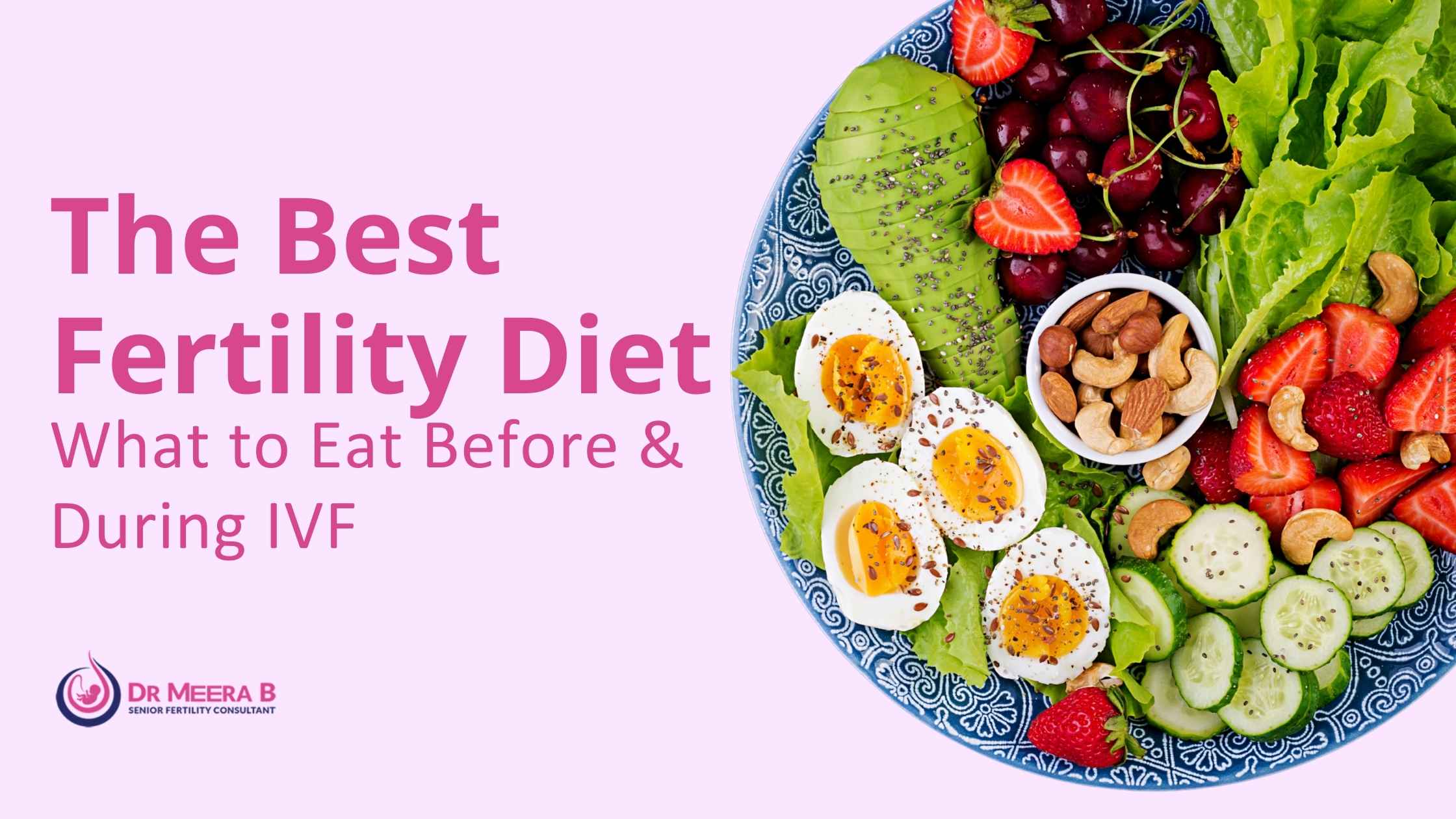
The Best Fertility Diet: What to Eat Before & During IVF
The best fertility diet: What to eat before & during IVF
Short answer: The Best diet for IVF is a balanced, nutrient-dense eating pattern that supports hormone health, reduces inflammation,
improves metabolic fitness, and provides key building blocks for egg and sperm development—especially from the weeks before stimulation through embryo transfer.
Here’s why nutrition matters: globally, it’s estimated that 1 in 6 people experience infertility at some point in their lives. When couples step into IVF,
they often ask the same question—“What should I eat to improve my chances?” The good news is: while food cannot replace medical care,
diet can strongly support IVF outcomes by improving overall reproductive health.
Why the fertility diet matters before and during IVF
IVF can feel like a whirlwind—appointments, scans, injections, timelines, and emotional ups and downs. In the middle of all this,
diet can become either a powerful support system or a silent saboteur.
Many couples in Kerala and across India are surprised to learn that fertility nutrition is not about “superstitions” or trendy detox plans.
It’s about giving your body the physiological readiness it needs for:
- Better egg quality (mitochondrial health, oxidative balance)
- Improved sperm parameters (motility, morphology, DNA integrity)
- Stable insulin levels (especially important for PCOS)
- Reduced chronic inflammation
- Improved endometrial receptivity during implantation window
- More predictable energy and mood during stimulation
This is exactly where experienced clinical guidance becomes priceless. Dr Meera B approaches fertility not as a single procedure,
but as a complete reproductive health journey—medical, nutritional, and lifestyle aligned.
Who should follow this fertility diet?
This article is designed for couples and individuals preparing for IVF, ICSI, and fertility treatments—especially those seeking evidence-based guidance in Kerala,
Kollam, Sasthamkotta, and nearby areas.
You’ll benefit strongly if you:
- are starting IVF stimulation soon
- have PCOS, thyroid imbalance, insulin resistance, or endometriosis
- have faced previous IVF failures and want to optimize your baseline health
- want a realistic, Indian-food-friendly fertility diet (not imported “diet culture”)
- need a structured plan instead of random online advice
What is the best fertility diet for IVF success?
The best fertility diet is not one “magic food.” It is a pattern—consistent, balanced, and easy to maintain.
Dr Meera B’s nutrition perspective focuses on what is scientifically aligned with reproductive outcomes:
- Low glycemic, high-fiber meals to support insulin and hormones
- High-quality proteins for follicular growth and tissue repair
- Omega-3 rich fats and anti-inflammatory foods
- Micronutrient density (folate, iron, iodine, selenium, vitamin D, B12)
- Gut-friendly nutrition to support immune balance
Importantly, diet works best when paired with expert IVF monitoring and individualized fertility planning—this is where Dr Meera B’s decades of experience
becomes a genuine advantage to couples trying to conceive.
IVF superfoods: What to prioritize every day
IVF superfoods are foods with a high concentration of nutrients that support fertility—antioxidants, healthy fats, fiber, minerals,
and high-quality protein. They help reduce oxidative stress, which is a key factor affecting egg and sperm health.
Top IVF superfoods (Indian-friendly and practical)
- Leafy greens: spinach, amaranth leaves, moringa leaves
- Legumes: lentils, chickpeas, green gram
- Nuts & seeds: walnuts, pumpkin seeds, flaxseed, sesame
- Omega-3 sources: fatty fish (as advised), chia/flax for vegetarians
- Whole grains: millets, oats, brown rice (portion-controlled)
- Fertility-friendly fruits: berries, pomegranate, oranges
The key is consistency. A nutrient-dense plate, repeated daily, can support your reproductive system far more than occasional “special foods.”
Fertility-boosting foods that support egg quality and hormone balance
Fertility-boosting foods work by supporting the foundations of reproductive function—stable blood sugar, reduced inflammation,
sufficient micronutrients, and improved circulation. When your body is nourished, it can respond better to IVF stimulation and support embryo development.
Egg-quality supportive foods
- Colorful vegetables (especially orange, red, and dark green)
- Protein at every meal to support follicular growth
- Iron-rich foods (spinach, jaggery in moderation, lentils)
- Zinc sources (pumpkin seeds, nuts, eggs, seafood as suitable)
Hormone-supportive foods
- Fiber (helps metabolize and balance estrogen)
- Healthy fats (supports steroid hormones and inflammation control)
- Fermented foods (curd, idli/dosa batter—gut support)
Colorful fruits IVF: Why color matters for fertility
The keyword colorful fruits IVF may sound unusual, but the concept is powerful. The brighter and deeper the fruit color,
the more likely it contains antioxidants and polyphenols—nutrients linked to cellular protection.
For IVF, antioxidant support matters because egg and sperm cells are sensitive to oxidative stress.
When oxidative stress rises (due to poor diet, stress, smoking, metabolic issues), cellular quality may decline.
Best options for colorful fruits IVF
- Pomegranate (polyphenols)
- Oranges & sweet lime (vitamin C, folate support)
- Berries when available
- Guava (excellent vitamin C)
- Papaya (ripe) in moderation as advised
Note: For women with insulin resistance/PCOS, fruit portions matter. Dr Meera B often tailors plans based on metabolic profile rather than using generic rules.
Lean protein for IVF: How it supports follicles and implantation
lean protein for IVF is essential because protein provides amino acids—the building blocks for tissue growth, follicular development,
hormone production, and repair during stimulation. Many IVF cycles are nutritionally undermined because couples focus only on fruits and “healthy drinks”
while under-consuming protein.
Best sources of lean protein for IVF
- eggs (if suitable)
- fish (type and frequency as advised)
- skinless chicken
- paneer in moderation
- dal, chana, rajma
- tofu/soy (depending on individual profile)
Practical goal: include one high-quality protein source at every meal. This stabilizes blood sugar and supports sustained energy—very helpful
during IVF medications.
Low-fat dairy IVF: Should you include dairy during fertility treatment?
low-fat dairy IVF is included here because dairy decisions confuse many couples. Dairy can be a useful source of calcium, iodine, and protein,
but tolerance and portion size matter.
In Dr Meera B’s approach, dairy is not universally “good” or “bad.” Instead, she emphasizes:
- choose clean, safe dairy sources
- avoid excess sugar (flavored yogurts, sweetened drinks)
- watch digestion (bloating, intolerance)
- focus on balanced portions
Practical low-fat dairy IVF choices
- curd (plain, unsweetened)
- buttermilk
- milk (portion controlled)
If you have PCOS or insulin resistance, dairy intake may be individualized depending on response—this is where expert guidance makes the difference.
Healthy fats IVF: The fertility fat you should not fear
The term healthy fats IVF matters because fat is not your enemy in fertility.
In fact, reproductive hormones are built from cholesterol and require adequate fat intake for normal function.
The real issue is not fat, but the type of fat. The goal is to reduce trans fats and limit deep-fried/oily foods,
while increasing anti-inflammatory fats.
Best healthy fats IVF sources
- olive oil, groundnut oil (moderation)
- avocado (if available)
- nuts and seeds
- fatty fish (as appropriate)
A fertility-friendly plate typically includes: protein + fiber + healthy fats. This combination improves satiety,
stabilizes insulin, and supports reproductive balance.
IVF meal plan: What to eat in each phase of treatment
A structured IVF meal plan reduces confusion, anxiety, and diet mistakes.
It also helps you stay consistent without obsessing over every food choice.
Phase 1: 6–12 weeks before IVF (preconception optimization)
This is the “foundation phase.” Egg maturation takes weeks, so this period matters.
- build high-protein breakfasts
- increase fiber and vegetables
- limit ultra-processed food and sugary snacks
- ensure hydration and adequate sleep rhythm
Phase 2: Stimulation period (injections and scans)
- eat smaller, frequent meals to manage bloating
- avoid high salt and very spicy/oily meals
- continue balanced protein + complex carbs + fats
Phase 3: Egg retrieval to embryo transfer
- prioritize easy digestion foods
- emphasize hydration
- include iron and protein support
Phase 4: Two-week wait
- stick to stable meals (avoid extreme changes)
- avoid alcohol and smoking completely
- continue gentle movement, high-quality sleep, low stress triggers
Sample one-day IVF meal plan (simple Kerala-friendly version)
Here is a practical, snack-inclusive fertility day plan. This is a general example—Dr Meera B may tailor this based on BMI, PCOS, thyroid profile,
and the specifics of your IVF timeline.
| Time | Meal | Why it helps |
|---|---|---|
| 7:00–8:00 AM | Warm water + soaked almonds/walnuts | Healthy fats, micronutrients |
| 8:30 AM | Idli/dosa + sambar + egg/paneer/tofu | Protein + fiber supports hormones |
| 11:00 AM | Fruit portion (pomegranate/guava/orange) | colorful fruits IVF antioxidant boost |
| 1:30 PM | Rice/millet + fish/chicken/dal + vegetables | lean protein for IVF and iron |
| 4:30 PM | Buttermilk/curd + roasted chana | low-fat dairy IVF + protein snack |
| 7:30 PM | Chapati + mixed veg + protein | Stable blood sugar, better sleep |
Foods to limit during IVF (without fear or extremes)
A fertility diet is not about punishment. It’s about reducing things that worsen inflammation, disrupt hormones, or destabilize insulin.
- Ultra-processed foods (chips, packaged snacks, instant noodles)
- Sugary beverages (soft drinks, sweetened teas)
- Trans fats (bakery items, some fried fast foods)
- High caffeine (excess coffee/energy drinks)
- Alcohol and smoking (strictly avoid during IVF)
This is not about creating fear. It’s about protecting the very outcome you’re working for.
Every cycle matters—emotionally and financially. Couples often realize too late that they underestimated the role of diet and lifestyle.
Why choose Dr Meera B for fertility and IVF guidance in Kollam?
In IVF, patients don’t just need information—they need correct interpretation, timing, and practical strategy.
That’s what separates random internet tips from real outcomes.
Dr Meera B is a senior gynecologist and fertility expert with over thirty years of experience, known for supporting couples in Kollam and beyond.
Her expertise includes Reproductive Medicine and IVF training at Bourn Hall Clinic, Cambridge, UK—a globally recognized name in IVF history.
What patients gain when they consult Dr Meera B
- Clear treatment strategy aligned with your history
- Evidence-based diet and lifestyle planning that fits Indian routines
- Safe guidance without false promises
- Continuity of care across stages of fertility treatment
- Access to advanced fertility support available at Dr Meera B’s place of practice
In recent times, Dr Meera B’s place of practice includes Aster PMF Hospital, Sasthamkotta,
where couples can benefit from structured fertility evaluation and treatment planning.
How to book an appointment with Dr Meera B
If you’re planning IVF soon, it’s wise to consult early—so you can correct nutrition gaps and optimize fertility markers before the cycle begins.
Missing this window is one of the most common regrets couples share later.
To book an appointment for consultation with Dr Meera B:
- Fill and submit the appointment form at https://drmeerab.com/contact/
- Call: +91 9447145101
- Or send a WhatsApp message using the interface on the website to request an appointment
Dr Meera’s team will schedule the appointment and keep you posted.
About Dr Meera B
Dr. Meera. B MBBS, DGO, DNB(O&G), MRCOG(UK), FRCOG(UK) is a highly respected gynecologist in Kollam with more than thirty years of experience.
She graduated from Govt Medical College, Trivandrum, and completed her post-graduation at Govt Medical College, Kottayam.
She became a Member of the Royal College of Obstetricians and Gynaecologists in 2008, and later achieved Fellowship in 2022.
With specialized training in Reproductive Medicine and IVF from Bourn Hall Clinic, Cambridge, UK,
Dr Meera B provides fertility-focused consultation that is evidence-based, medically ethical, and deeply individualized.
If you want the confidence of expert-led fertility planning—where your diet, labs, lifestyle, and IVF strategy align—Dr Meera B’s consultation can be your turning point.
Frequently Asked Questions
What is the Best diet for IVF, and when should I start it?
The Best diet for IVF is a balanced, anti-inflammatory eating pattern that supports hormone health, egg quality, and steady blood sugar. Ideally, start at least 8–12 weeks before your IVF cycle (or as early as possible), because follicles take time to mature.
Dr. Meera B typically recommends a plate that includes vegetables, whole grains, quality proteins, and healthy fats—customized to your BMI, lab results, thyroid/PCOS status, and any digestive concerns.
Which IVF superfoods does Dr. Meera B usually recommend?
IVF superfoods are nutrient-dense foods that provide antioxidants, iron, folate, omega-3 fats, and high-quality protein—key for reproductive health.
Depending on your needs, Dr. Meera B may include options such as:
Leafy greens (folate + antioxidants)
Eggs (choline + protein)
Fatty fish like salmon/sardines (omega-3s)
Walnuts, flax or chia (healthy fats + fiber)
Beans/lentils (plant protein + iron)
Berries (antioxidants)
The idea is consistency, not perfection—superfoods work best when they’re part of an overall supportive plan.
What are the top fertility-boosting foods to prioritize during stimulation?
During stimulation, your body benefits from fertility-boosting foods that are easy to digest, hydration-friendly, and rich in antioxidants. The goal is to support ovarian response, reduce inflammation, and maintain stable energy.
Common priorities include:
Vegetables + fruit daily (especially colorful choices)
Whole grains for steady blood sugar
Protein at every meal (to avoid crashes and cravings)
Omega-3 sources
Plenty of fluids and electrolytes (especially if you feel bloated)
Dr. Meera B also guides patients on meal timing, hydration strategies, and safe caffeine limits based on your specific IVF plan.
Can you share a simple IVF meal plan structure for busy workdays?
A practical IVF meal plan should be realistic, repeatable, and supportive of stable blood sugar. A simple structure many of Dr. Meera B’s patients follow is:
Breakfast: Protein + fiber (e.g., eggs with veggies / oats with nuts & seeds)
Mid-morning: Fruit + nuts or yogurt
Lunch: ½ plate vegetables + ¼ protein + ¼ whole grains
Evening snack: Light protein (if hungry)
Dinner: Protein + vegetables + healthy fats
For personalization—like PCOS, insulin resistance, recurrent implantation failure, or thyroid concerns—Dr. Meera B tailors the meal plan and tracks progress across your IVF timeline.
Why is lean protein for IVF emphasized so much?
lean protein for IVF is emphasized because protein supports hormone production, helps reduce blood sugar spikes, and can improve overall nutrient absorption. It also supports recovery and reduces extreme cravings during hormone changes.
Examples include eggs, fish, chicken, turkey, tofu, paneer (in moderation), dals, and Greek yogurt. Dr. Meera B helps you choose the right type and amount based on your body weight, cycle phase, and dietary preferences (vegetarian/non-vegetarian).
Is low-fat dairy IVF recommended, and who should avoid it?
low-fat dairy IVF may be recommended for patients who want calcium and protein without excess saturated fat. It can work well for those with digestive comfort and no sensitivity to dairy.
However, dairy isn’t ideal for everyone. If you have acne flare-ups, bloating, lactose intolerance, or specific inflammatory symptoms, Dr. Meera B may reduce dairy, switch to fermented options, or suggest alternatives based on your tolerance and nutrition goals.
What does “colorful fruits IVF” mean in practical terms?
colorful fruits IVF refers to including a variety of naturally colored fruits that offer different antioxidants—important for egg and sperm health, as well as inflammation control.
Practical examples include berries, oranges, kiwi, pomegranate, apples, and guava. Dr. Meera B often recommends portion control and pairing fruit with protein/fats (like nuts or yogurt) for steadier blood sugar—especially for PCOS or insulin resistance.
Which healthy fats IVF should I eat, and how much is too much?
healthy fats IVF are essential because fats support hormone production, reduce inflammation, and help absorb fat-soluble vitamins (A, D, E, K). The key is choosing the right fats, in the right portions.
Common options include:
Olive oil
Avocado
Nuts and seeds
Fatty fish (omega-3)
Too much fat—especially from fried foods—can worsen digestion and bloating in IVF. Dr. Meera B’s nutrition guidance focuses on portion sizes so you get benefits without heaviness.
How does Dr. Meera B support patients beyond generic fertility diet tips?
Many IVF diets online are “one-size-fits-all,” but fertility nutrition works best when it is personalized. Dr. Meera B supports patients with practical, science-based changes that fit real life—especially for women navigating repeated cycles, PCOS, thyroid imbalance, endometriosis, or low AMH concerns.
Her approach typically includes:
Cycle-phase specific nutrition (before stimulation, during, post-retrieval, and transfer support)
Personalized food choices for symptoms like bloating, acidity, nausea, constipation
Balanced meal patterns to improve energy, sleep, and stress resilience
Clear do’s/don’ts that are easy to follow without extreme restrictions
This helps ensure your diet complements your treatment plan—rather than adding confusion or stress.
Comments are closed