
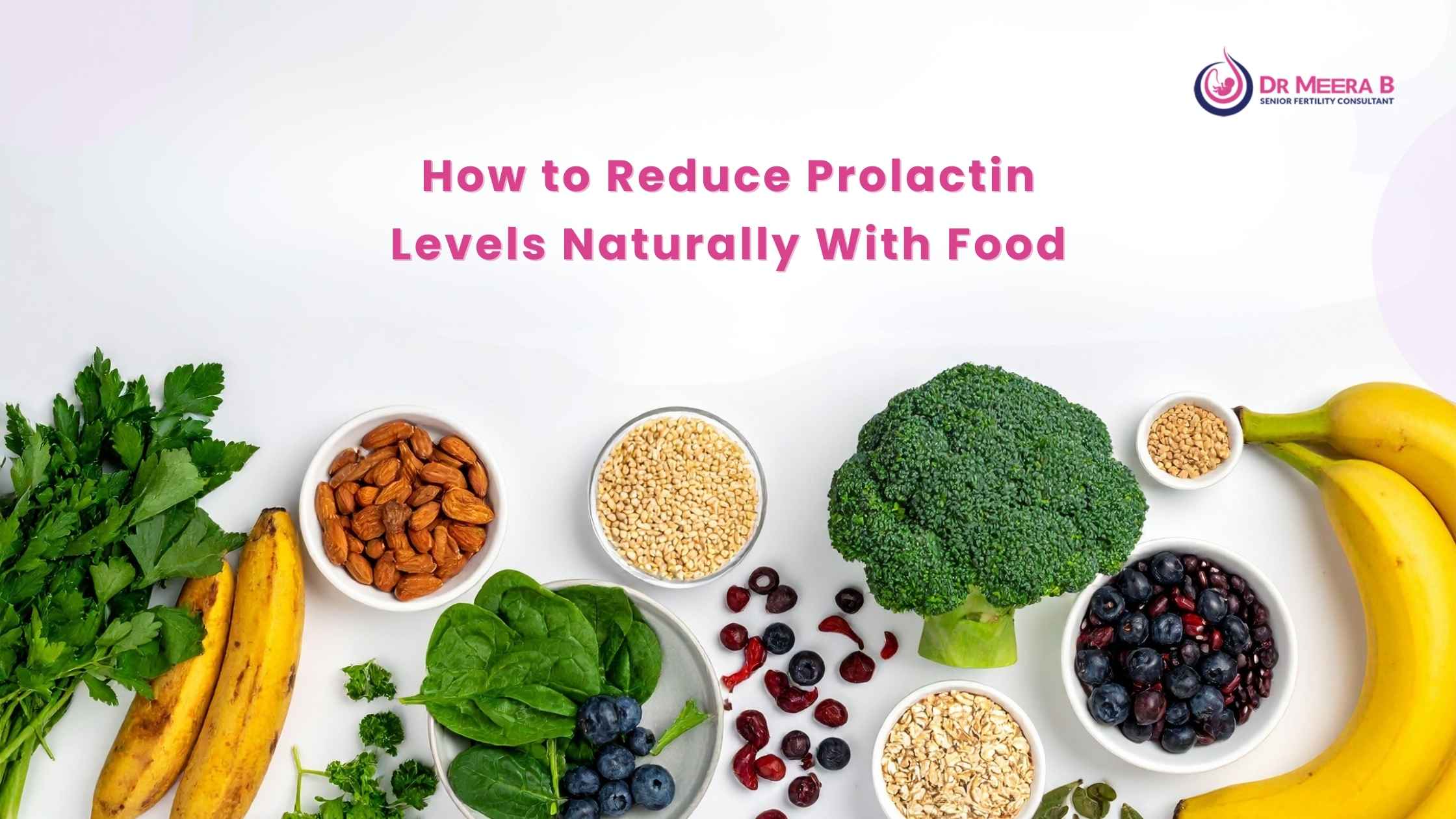
How to reduce prolactin levels naturally with food: A doctor-guided nutrition approach
If you’re searching for how to reduce prolactin level naturally food, the most important first step is this: identify what is driving prolactin high and support your body with specific nutrient-rich foods that stabilize hormones and reduce stress-related triggers. This approach is especially useful for women planning pregnancy, managing irregular cycles, or navigating PCOS.
Here’s a key public statistic that explains why this matters so much: studies report that hyperprolactinemia (high prolactin) is found in roughly 5–14% of women with secondary amenorrhea (missing periods after previously normal cycles), and it is also commonly seen in women evaluated for infertility. That means high prolactin is not rare—and it is treatable with the right plan.
In this guide, Dr Meera B—a senior gynecologist with over thirty years of experience—shares proven, practical dietary strategies to support normal prolactin levels naturally, without unsafe shortcuts or false promises.
Why prolactin matters for your cycles, fertility, and overall health
Prolactin is a hormone produced mainly by the pituitary gland. It plays a vital role in breastfeeding, but outside pregnancy and lactation, elevated prolactin may interfere with ovulation. When ovulation becomes irregular or stops, your periods can become irregular, your progesterone levels may drop, and conception can become harder.
From Dr Meera B’s clinical perspective, what makes prolactin challenging is that it often rises quietly—without dramatic symptoms—until it begins affecting cycles, fertility, or wellbeing. The encouraging part: many cases respond very well once the root cause is identified and corrected.
What are high prolactin symptoms? (Quick checklist)
High prolactin symptoms can vary depending on the level, age, and whether you’re trying for pregnancy. Some women have noticeable symptoms; others discover it during a fertility work-up.
- Irregular periods or missed periods
- Difficulty conceiving
- Breast discharge (galactorrhea) in non-lactating women
- Low libido
- Vaginal dryness
- Headaches or visual symptoms (rare but important—needs urgent medical evaluation)
Important: If prolactin is very high, or symptoms suggest pituitary involvement, dietary changes alone are not enough. Dr Meera B prioritizes safe evaluation so that serious causes are never missed.
What causes prolactin to rise in women?
Prolactin can rise due to several medical and lifestyle factors. The most common clinical causes include:
- Stress and sleep disruption (common and often underestimated)
- Hypothyroidism (low thyroid function can indirectly increase prolactin)
- PCOS-related hormonal imbalance in some individuals
- Medications (certain psychiatric drugs, anti-nausea medicines, etc.)
- Pituitary microadenoma (prolactinoma) in a smaller proportion
Dr Meera B’s approach is to ensure patients do not waste months on random “hormone detox diets” while the true cause remains untreated. Food can help—significantly—but it must be used as part of an evidence-based plan.
How food can support prolactin regulation (and what it cannot do)
Food cannot “cure” every cause of high prolactin, especially tumors or medication-related hyperprolactinemia. However, food can:
- Support dopamine production (dopamine helps inhibit prolactin release)
- Improve insulin sensitivity (especially relevant for PCOS)
- Lower inflammation and oxidative stress
- Stabilize blood sugar, reducing hormonal disruptions
- Improve sleep quality and stress resilience
This is why a properly designed prolactin diet is less about a “magic food” and more about a consistent pattern of meals that supports endocrine health.
What is the best prolactin diet plan? (Dr Meera B’s clinically sensible framework)
A safe, effective prolactin diet focuses on nutritional adequacy, steady energy, and hormone-supporting nutrients. Dr Meera B recommends patients build their plate around:
1) High-quality protein at each meal
Protein provides amino acids used in neurotransmitter pathways and helps stabilize blood sugar. This matters because blood sugar crashes can increase stress hormones, indirectly worsening hormonal fluctuations.
Best options:
- Eggs
- Fish (especially sardines, mackerel, salmon)
- Chicken in controlled portions
- Paneer/curd in tolerance-based amounts
- Moong dal, masoor dal, chana, rajma (pressure-cooked)
2) Fiber-rich carbohydrates (not ultra-refined carbs)
In many women with PCOS or irregular cycles, insulin spikes can worsen hormonal imbalance. A prolactin-supportive plate uses slow carbs.
Prefer:
- Millets (ragi, jowar)
- Red rice/hand-pounded rice
- Oats
- Vegetables (especially leafy greens)
3) Healthy fats that support hormone production
Hormones are built from cholesterol and fatty acids. Eliminating fats can backfire.
- Omega-3 sources: fatty fish, flaxseed (roasted + powdered), walnuts
- Cooking oils in moderation: coconut oil / groundnut oil (traditional Kerala pattern), rotated wisely
- Avocado and olives if accessible
This balanced pattern is also an excellent hormonal balance diet in general—because it supports thyroid function, ovarian cycles, and metabolic health.
Top fertility foods Dr Meera B encourages when prolactin is high
Nutrition cannot replace fertility treatment when needed—but it strongly influences cycle regularity, egg quality environment, and implantation support. That is why Dr Meera B often integrates fertility foods into the care plan for women trying to conceive.
| Food group | Examples | Why it helps (clinically) |
|---|---|---|
| Leafy greens | Moringa leaves, spinach, amaranth | Folate + antioxidants support hormonal metabolism |
| Omega-3 rich foods | Sardines, mackerel, salmon | Supports inflammation balance and metabolic health |
| Zinc & selenium foods | Pumpkin seeds, nuts, eggs, fish | Supports thyroid and reproductive function |
| Low-GI carbs | Millets, legumes, vegetables | Helps insulin balance—important for PCOS |
| Fermented foods | Curd, traditional fermented dishes | Gut health links to hormone metabolism |
When you consistently eat these foods (and reduce triggers), you create the internal environment where medical correction works faster—and natural cycle recovery becomes more likely.
PCOS prolactin management: Why food strategy must be different
PCOS prolactin management requires careful nuance. PCOS itself does not always cause high prolactin, but women with PCOS often have stress axis activation, sleep disruption, and insulin resistance—which can indirectly worsen prolactin regulation.
Dr Meera B’s proven dietary focus for PCOS patients with high prolactin includes:
- Structured meal timing (reduces stress-related cortisol spikes)
- Higher protein breakfasts (stabilizes appetite hormones)
- Low-GI carbohydrates to improve insulin sensitivity
- Omega-3 intake 2–3 times weekly (or doctor-approved supplements if needed)
- Limiting sugar + refined flour to prevent hormone-disrupting peaks
The goal is not “dieting” or drastic food restriction. The goal is to restore ovulation rhythm and create a stable hormone environment—something PCOS patients benefit from enormously.
How to reduce prolactin level naturally with food: A step-by-step routine
If you want a simple, structured way to follow how to reduce prolactin level naturally food, here is a routine that Dr Meera B commonly recommends (individualization is done during consultation):
-
Start the day with a protein + fiber breakfast
Example: egg + vegetable stir fry + a small millet portion, or moong dal chilla with curd. -
Add leafy greens daily
Especially helpful for micronutrients supporting hormone metabolism. -
Include omega-3 foods 2–3 times per week
Fish-based meals suit Kerala dietary patterns well. -
Use smart snacks instead of sugar hits
Nuts, fruit with curd, roasted chana, sprouts. -
Prioritize sleep-supportive dinner choices
Lighter dinner; avoid heavy sugar or caffeine late evening.
This routine supports a hormonal balance diet while keeping your eating pattern realistic enough to follow for months—which is what true hormone recovery needs.
Foods and habits that may worsen prolactin-related hormonal imbalance
Many people focus only on “what to eat,” but Dr Meera B emphasizes that what to reduce often decides results.
- Excess caffeine (especially late day)
- Highly refined sugar (desserts, sweetened tea/coffee, soft drinks)
- Frequent ultra-processed foods (packaged snacks, deep-fried fast foods)
- Crash dieting (can worsen stress axis hormones)
- Irregular sleep (prolactin and other hormones follow circadian rhythm)
When these remain unaddressed, patients often feel they’re “doing everything right” while prolactin stays elevated. This is exactly where expert medical guidance prevents wasted time.
When diet alone is not enough: The medical side of prolactin treatment
Ethical medical practice matters. Dr Meera B does not promote food as a replacement for treatment when medication is required. In many cases, correction is fast and effective once the cause is diagnosed.
Depending on the reason for elevated prolactin, Dr Meera B may advise:
- Repeat prolactin testing under proper conditions (to avoid false elevation)
- Thyroid tests (TSH and related profiles)
- Ultrasound evaluation if cycles are irregular
- MRI (in selected cases, based on levels/symptoms)
- Evidence-based medications when indicated
Combining medical management with a supportive prolactin diet is often the fastest route to cycle normalization and fertility improvement.
Why consult Dr Meera B for prolactin and fertility-related hormone support?
When prolactin affects fertility, time matters. Delays can mean:
- More months of irregular cycles
- Prolonged stress and uncertainty
- Missed ovulation windows
- Delayed fertility treatment decisions
Dr Meera B is a highly respected gynecologist in Kollam with global exposure in reproductive medicine. With qualifications including MBBS, DGO, DNB(O&G), MRCOG(UK), FRCOG(UK), she brings deep clinical judgement to hormone-related infertility, guiding patients through the safest next steps.
Her expertise in Reproductive Medicine and IVF is supported by advanced training at the internationally renowned Bourn Hall Clinic, Cambridge (UK)—recognized historically for the world’s first IVF baby in 1978. This level of exposure ensures recommendations are not based on internet trends, but on proven reproductive science.
In recent times, Dr Meera B’s place of practice includes Aster PMF Hospital, Sasthamkotta, enabling patients to access high-quality evaluation and fertility support in a medically monitored environment.
How to book an appointment with Dr Meera B
If you suspect high prolactin, have irregular periods, are trying to conceive, or want expert guidance on a personalized food plan, the smartest step is to consult early.
To book an appointment for consultation with Dr Meera B:
- Fill and submit the consultation form available at: https://drmeerab.com/contact/
- Call: +91 9447145101 and request scheduling an appointment
- Or send a WhatsApp message using the WhatsApp interface on the website requesting an appointment
Dr Meera’s team will schedule the appointment and keep you posted. This is especially important if you are trying to conceive—because the earlier prolactin is corrected, the sooner normal ovulation can resume.
About Dr Meera B
Dr. Meera. B is a senior Obstetrician & Gynaecologist based in Kollam, Kerala, specializing in fertility care, reproductive medicine guidance, and evidence-based women’s health solutions. With more than three decades of experience, she has supported couples locally and internationally.
She completed MBBS from Govt Medical College, Trivandrum and pursued post-graduation at Govt Medical College, Kottayam. She became a Member of the Royal College of Obstetricians and Gynaecologists (UK) in 2008, and later achieved Fellowship (FRCOG) in 2022.
Whether your goal is cycle regularity, natural conception, PCOS support, or IVF planning, Dr Meera B ensures your care plan is medically sound, nutritionally realistic, and aligned with safe clinical practice.
Frequently asked questions: How to reduce prolactin levels naturally with food
The fastest safe approach for how to reduce prolactin level naturally food is to support dopamine pathways, reduce stress triggers, and stabilize blood sugar using consistent meals—while also checking medical causes (like thyroid issues or medication effects). Food helps most when it is part of a structured plan, not random “hormone hacks”.
Dr Meera B typically advises a nutrition pattern that includes adequate protein, fiber-rich carbohydrates, and omega-3 fats—along with sleep and stress optimisation—because prolactin is closely linked to the brain’s stress and hormone signalling.
A practical prolactin diet is not extreme or restrictive. It is built around steady energy, anti-inflammatory nutrients, and foods that improve metabolic and thyroid support. Most women do best with protein at every meal and fewer ultra-processed foods.
Common doctor-friendly meal structure:
- Breakfast: eggs/curd/moong dal + vegetables
- Lunch: dal/fish/chicken + leafy greens + millet/red rice
- Snack: nuts, fruit with curd, roasted chana
- Dinner: lighter meal with protein + vegetables; avoid heavy sugar late evening
Dr Meera B personalises the plan based on cycle pattern, fertility goals, PCOS status, and lab results—because the safest diet is one you can follow consistently without nutrient deficiencies.
High prolactin symptoms can be subtle at first. Many women only discover it during fertility investigations, but certain signs should raise suspicion—especially when cycles shift from predictable to irregular.
Common symptoms include:
- Irregular periods or missed periods
- Difficulty conceiving (delayed pregnancy despite trying)
- Breast discharge in women who are not breastfeeding
- Low libido and vaginal dryness
If symptoms include severe headaches or changes in vision, Dr Meera B recommends urgent medical evaluation, because diet alone is not appropriate in such scenarios.
Fertility foods can meaningfully support the hormonal environment needed for ovulation and regular cycles, especially when high prolactin is stress-related or linked to metabolic imbalance. While food cannot replace medical treatment in all cases, it can improve outcomes and support faster recovery when combined with doctor-guided care.
Foods Dr Meera B often encourages:
- Leafy greens (folate + antioxidants)
- Omega-3 fish (supports inflammation balance)
- Eggs, legumes, nuts (micronutrients + steady energy)
- Fermented foods like curd (gut-hormone connection)
In fertility-focused cases, Dr Meera B also ensures that underlying causes (thyroid dysfunction, medication-related elevation, or pituitary concerns) are not missed—because treating the root cause is what restores fertility potential.
PCOS prolactin management needs additional focus on insulin resistance, sleep rhythm, and inflammation—because these factors can worsen hormone signalling and indirectly affect prolactin. Not every PCOS patient has elevated prolactin, so the right plan starts with proper testing instead of assumptions.
In PCOS, Dr Meera B usually prioritises:
- Low-GI carbohydrate choices (millets, legumes, vegetables)
- Higher protein breakfasts to reduce cravings
- Omega-3 intake 2–3 times weekly
- Consistent meal timing (reduces stress hormone spikes)
The goal is not crash dieting—it is restoring ovulation rhythm and improving cycle regularity in a medically safe way.
A hormonal balance diet is a nutrition pattern that stabilizes blood sugar, reduces inflammation, supports thyroid health, and provides enough protein, fiber, and healthy fats to maintain reproductive hormone stability. Prolactin is sensitive to stress and sleep disruption, which can worsen when diet quality is poor.
Dr Meera B recommends a balanced approach that is realistic for Kerala households—focusing on portion control, nutrient density, and consistency—rather than short-term “detox” plans that can backfire.
You should consult Dr Meera B if prolactin is repeatedly elevated, cycles are irregular, pregnancy is delayed, or symptoms are affecting quality of life. Self-treating for months with internet advice can lead to lost time—especially when fertility is a goal.
Consult sooner if:
- Periods stop or become irregular for 2–3 cycles
- Pregnancy has not happened despite trying
- There is breast discharge (not related to breastfeeding)
- There are severe headaches or visual changes
Dr Meera B consults at Aster PMF Hospital, Sasthamkotta and other places of practice, ensuring patients can access safe evaluation and evidence-based treatment without delay.
Booking is simple. To consult Dr Meera B for prolactin-related concerns, fertility planning, or personalised nutrition guidance:
- Fill and submit the form at https://drmeerab.com/contact/
- Call +91 9447145101 to request an appointment
- Or send a WhatsApp message using the website interface
Dr Meera’s team will schedule your appointment and keep you posted. Early consultation can prevent delays in treatment and increase the chance of faster cycle correction—especially for couples planning pregnancy.
Comments are closed