
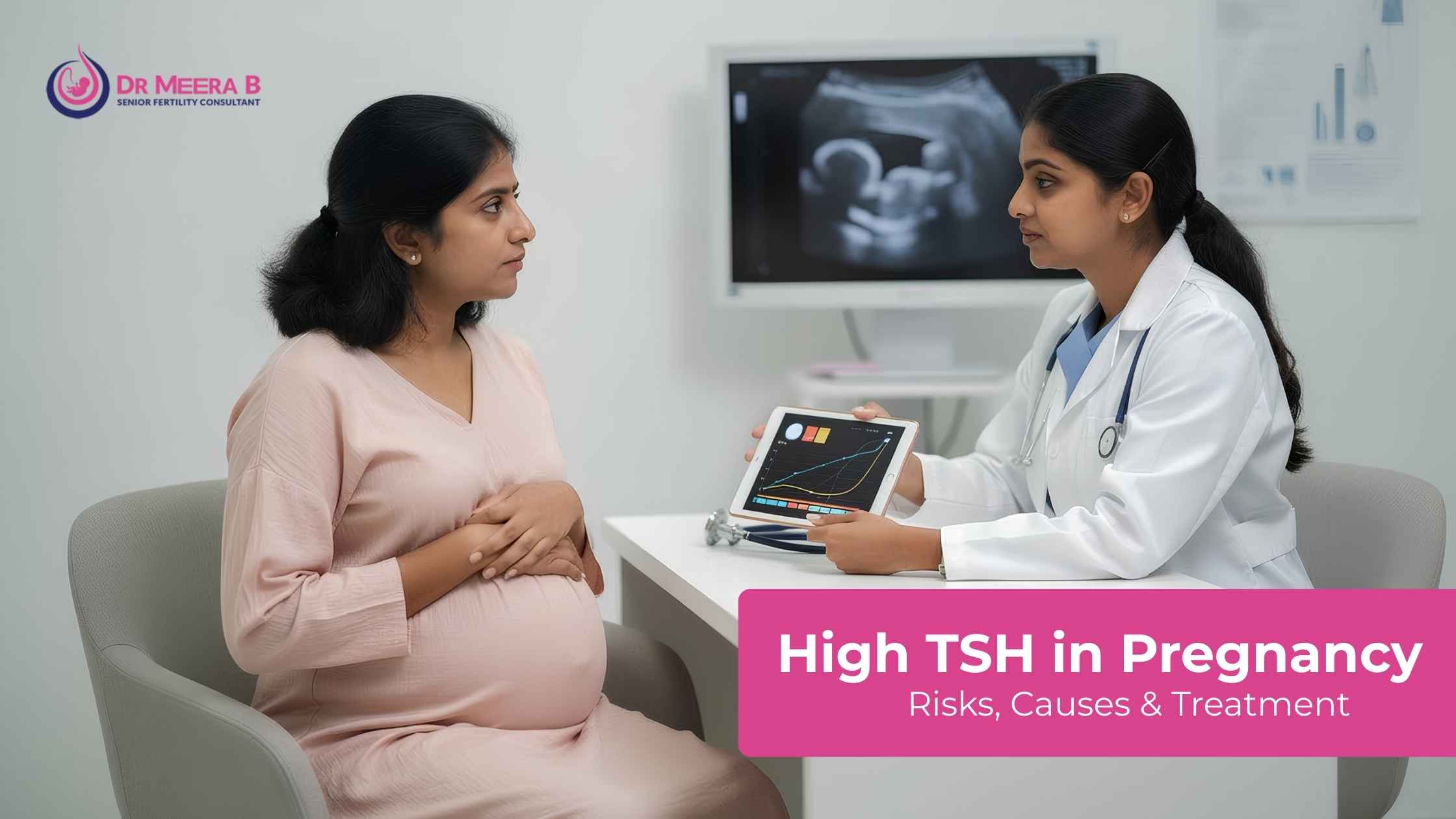
High TSH in pregnancy: Risks, causes & treatment
Studies published in international endocrine and obstetric journals indicate that high tsh in pregnancy affects nearly 2–3% of pregnant women worldwide, with higher prevalence reported in iodine-deficient regions and parts of India. What makes this condition especially concerning is that many women are asymptomatic, yet uncontrolled thyroid imbalance during pregnancy can silently influence fetal brain development, pregnancy outcomes, and long-term child health.
This is precisely why early diagnosis, careful interpretation of thyroid values, and individualized care under an experienced gynecologist like Dr Meera B can make a decisive difference. With over three decades of clinical experience and advanced training in reproductive medicine, Dr Meera B provides evidence-based, ethically grounded care at her place of practice, including Aster PMF Hospital, Sasthamkotta.
What is high TSH in pregnancy?
High TSH in pregnancy refers to a condition where the thyroid-stimulating hormone (TSH) level is above the recommended trimester-specific range. TSH is produced by the pituitary gland and regulates how much thyroid hormone the thyroid gland releases.
During pregnancy, thyroid physiology changes significantly. The developing fetus relies entirely on maternal thyroid hormones in the first trimester, making even mild abnormalities clinically relevant. Elevated TSH often signals hypothyroidism, a condition where the thyroid gland is underactive.
Why is thyroid balance so important during pregnancy?
Thyroid hormones are essential for:
- Fetal brain and nervous system development
- Placental function
- Regulation of maternal metabolism
- Prevention of pregnancy complications
When thyroid hormone levels are insufficient, the body compensates by producing more TSH. If this imbalance is not identified early, it can influence both maternal health and fetal outcomes.
Causes of high TSH in pregnancy
Understanding the causes of high tsh in pregnancy is critical for targeted treatment. These causes may be pre-existing or develop during gestation.
Common medical causes
- Autoimmune thyroid disease (Hashimoto’s thyroiditis)
- Undiagnosed hypothyroidism before conception
- Iodine deficiency
- Previous thyroid surgery or radioactive iodine therapy
Pregnancy-related factors
- Increased demand for thyroid hormones
- Inadequate dose adjustment in women already on thyroid medication
- Multiple pregnancies increasing hormonal requirements
Dr Meera B emphasizes that many women with normal thyroid function before conception can still develop abnormalities during pregnancy, making routine screening essential.
Effect of high TSH in pregnancy on the mother
The effect of high tsh in pregnancy on maternal health can range from subtle symptoms to significant complications, especially if left untreated.
- Excessive fatigue and weight gain
- Cold intolerance
- Constipation
- Anemia
- Increased risk of preeclampsia
In clinical practice, Dr Meera B often encounters women who attribute these symptoms to “normal pregnancy changes,” highlighting the importance of biochemical testing rather than symptom-based assumptions.
High TSH pregnancy risks for the baby
High tsh pregnancy risks are a major concern because fetal development is highly sensitive to maternal thyroid hormone levels, particularly in early gestation.
- Impaired neurocognitive development
- Low birth weight
- Preterm delivery
- Increased risk of miscarriage
Research consistently shows that timely correction of thyroid imbalance significantly reduces these risks, reinforcing the importance of early prenatal care under expert supervision.
High TSH levels pregnancy complications
Persistent elevation of TSH can lead to high tsh levels pregnancy complications that affect both the course of pregnancy and delivery outcomes.
- Placental abruption
- Gestational hypertension
- Postpartum hemorrhage
- Increased likelihood of operative delivery
At Dr Meera B’s place of practice, careful trimester-wise monitoring ensures that these complications are anticipated and managed proactively rather than reactively.
How is high TSH diagnosed during pregnancy?
Diagnosis involves a simple blood test measuring TSH, along with free T4 levels when required. International guidelines recommend trimester-specific reference ranges, as normal values differ from those in non-pregnant women.
Dr Meera B follows globally accepted clinical protocols, ensuring that lab values are interpreted in the context of gestational age, clinical history, and overall pregnancy health.
Treatment for high TSH during pregnancy
The cornerstone of treatment for high tsh during pregnancy is thyroid hormone replacement using levothyroxine, a medication proven to be safe and effective for both mother and baby.
Evidence-based treatment approach
- Individualized dosage based on TSH levels and trimester
- Regular monitoring every 4–6 weeks
- Adjustment of dose as pregnancy progresses
- Postpartum reassessment
Importantly, Dr Meera B does not advocate over-treatment. The goal is balance—maintaining thyroid levels within the optimal range without unnecessary medication exposure.
Why timely management makes all the difference
Thyroid disorders in pregnancy are among the most treatable medical conditions when identified early. The real risk lies not in the diagnosis, but in delayed or inadequate care.
Women who seek timely consultation with Dr Meera B benefit from:
- Decades of hands-on obstetric experience
- Internationally aligned treatment protocols
- Access to advanced diagnostic facilities at her place of practice
- Continuity of care throughout pregnancy
About Dr Meera B
Dr Meera B, MBBS, DGO, DNB (Obstetrics & Gynaecology), MRCOG (UK), FRCOG (UK), is a senior gynecologist and reproductive medicine specialist based in Kollam, Kerala. With more than thirty years of experience, she is widely respected for her ethical, patient-centric approach to women’s health.
A graduate of Govt Medical College, Trivandrum, and post-graduate from Govt Medical College, Kottayam, Dr Meera B has received advanced training in Reproductive Medicine and IVF at the internationally renowned Bourn Hall Clinic, Cambridge, UK. She currently consults at multiple hospitals, including Aster PMF Hospital, Sasthamkotta.
Book a consultation with Dr Meera B
If you are concerned about thyroid levels during pregnancy or planning a pregnancy, early consultation can prevent long-term complications. To book an appointment with Dr Meera B:
- Fill and submit the consultation form at https://drmeerab.com/contact/
- Call directly at +91 9447145101
- Send a WhatsApp message using the interface on the website
Dr Meera’s team will coordinate your appointment and guide you through the next steps with clarity and care.
Frequently Asked Questions: High TSH in Pregnancy
High TSH during pregnancy indicates that the thyroid gland is not producing enough thyroid hormones to meet the increased demands of the mother and developing baby. This is commonly linked to hypothyroidism and is often detected through routine antenatal blood tests. Early identification allows timely medical support and monitoring under specialists like Dr. Meera B.
The causes of high tsh in pregnancy often include pre-existing hypothyroidism, autoimmune thyroid conditions such as Hashimoto’s disease, iodine deficiency, or stopping thyroid medication before conception. Hormonal changes in early pregnancy can also unmask underlying thyroid issues that were previously unnoticed.
The effect of high tsh in pregnancy can include impaired fetal brain development, low birth weight, or preterm delivery if left untreated. Thyroid hormones play a critical role in early neurological growth, which is why doctors emphasize early screening and consistent follow-up throughout pregnancy.
Yes, unmanaged high tsh pregnancy risks may include pregnancy-induced hypertension, anemia, miscarriage, and placental complications. With proper medical supervision, these risks can be significantly reduced, ensuring a safer pregnancy journey for the mother.
High tsh levels pregnancy complications may involve delayed fetal growth, increased chances of cesarean delivery, and postpartum thyroid dysfunction. These complications highlight the importance of regular thyroid function tests and dose adjustments as pregnancy progresses.
The standard treatment for high tsh during pregnancy involves safe and carefully monitored thyroid hormone replacement therapy, usually with levothyroxine. Dr. Meera B provides individualized treatment plans, regular monitoring, and dosage optimization to maintain healthy TSH levels and support both maternal and fetal well-being.
Dr. Meera B offers comprehensive prenatal care that integrates endocrinology and obstetric monitoring. Her approach focuses on early diagnosis, evidence-based treatment, nutritional guidance, and continuous follow-up, helping expectant mothers manage thyroid concerns confidently throughout pregnancy.
Comments are closed