
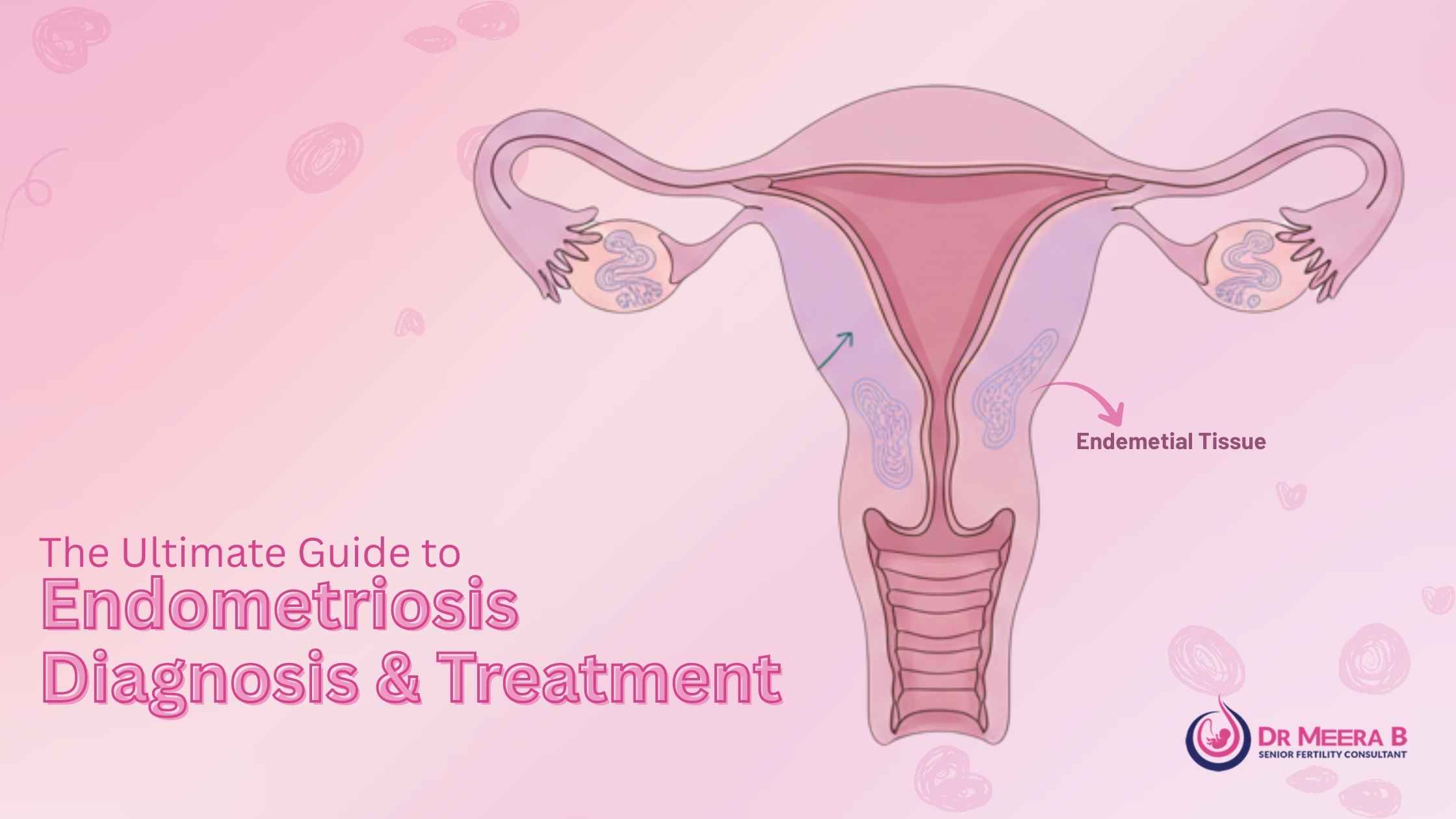
The ultimate guide to Endometriosis diagnosis & treatment
According to the World Health Organization, endometriosis affects nearly 10% of women of reproductive age worldwide, yet most cases remain undiagnosed for years. This delay often worsens symptoms and affects fertility—making timely intervention crucial. In this guide, you will discover how Dr Meera B, one of Kollam’s most trusted gynecologists with 30+ years of clinical excellence, provides evidence-based solutions for effective endometriosis care at her place of practice, including Aster PMF Hospital, Sasthamkotta.
This article is crafted to give you clarity, confidence, and a clear roadmap—especially if you have struggled with painful periods, pelvic discomfort, or unexplained infertility. By the end, you will understand your treatment options, the science behind them, and why partnering with an expert like Dr Meera B can change your health journey.
What is endometriosis and why does early diagnosis matter?
Endometriosis is a chronic inflammatory condition where tissue similar to the lining of the uterus grows outside it, causing pain, inflammation, and sometimes infertility. Early detection is critical because it helps prevent complications and improves treatment outcomes. When approaching endometriosis and diagnosis, Dr Meera B combines medical expertise, symptom-based evaluation, and modern imaging to arrive at an accurate and timely assessment.
Many women go years without understanding why they are in pain. Dr Meera emphasizes that “pain is not normal,” and recognizing symptoms early can drastically improve long-term health and fertility results.
How is endometriosis diagnosed effectively?
The most reliable way to diagnose endometriosis is a combination of clinical evaluation, ultrasound studies, and in advanced cases, diagnostic laparoscopy. A snippet-optimized explanation is as follows:
- Clinical assessment: Detailed evaluation of pain patterns, menstrual cycles, and fertility concerns.
- Ultrasound scans: Helpful in identifying cysts or distortions caused by endometriotic lesions.
- Laparoscopy: The gold standard for visual confirmation and treatment.
At Dr Meera B’s place of practice, diagnostic and operative laparoscopy is performed following internationally recommended protocols—ensuring precision and safety.
What happens during laparoscopy for endometriosis?
A laparoscopy procedure endometriosis is a minimally invasive surgery where a small camera is inserted through tiny incisions to examine the pelvic cavity. It allows the surgeon to locate and remove endometriosis lesions with remarkable accuracy. For women struggling with years of unexplained pain or infertility, laparoscopy is often a life-changing moment of both diagnosis and relief.
How does laparoscopy relieve endometriosis pain?
When lesions are removed effectively, inflammation reduces, adhesions are released, and pelvic structures are restored to near-normal anatomy. This is why laparoscopy endometriosis pain management is considered one of the most effective interventions for long-term relief.
Dr Meera, having trained at the prestigious Bourn Hall Clinic in Cambridge (the birthplace of IVF), uses refined surgical judgment to determine when laparoscopy is the right step—always adhering to evidence-based practice.
How to prevent endometriosis: What does science say?
While endometriosis cannot always be prevented, scientific research shows that early diagnosis, hormonal regulation, and healthy lifestyle choices may reduce disease progression. When patients ask how to prevent endometriosis, Dr Meera focuses on proven preventive strategies rather than speculative claims.
Similarly, when women ask how can you prevent endometriosis, the answer lies in regulating menstrual cycles, reducing inflammation, and seeking medical help promptly when symptoms arise.
How to prevent endometriosis pain using medically validated methods
Pain management must be grounded in medical science. When discussing how to prevent endometriosis pain, Dr Meera recommends approaches such as hormonal therapy, anti-inflammatory medications, pelvic physiotherapy, and lifestyle modifications. These techniques help reduce flare-ups and maintain long-term comfort.
Can endometriosis be treated naturally?
Many patients search for gentle, supportive methods to complement medical treatment. When addressing how to treat endometriosis naturally, Dr Meera ensures clarity: natural methods can support medical treatment but do not replace it. Scientifically supported strategies include:
- Anti-inflammatory nutrition
- Stress reduction techniques
- Moderate exercise routines
- Pelvic physiotherapy
These natural approaches can enhance overall well-being but must be guided alongside clinical care—never as substitutes for medical treatment.
Understanding alternative healing options for endometriosis
When patients search for alternative healing endometriosis solutions, they must rely only on safe, validated approaches. Dr Meera emphasizes that while complementary therapies such as yoga, mindfulness, and diet modification may improve quality of life, they should be used responsibly and never replace evidence-based medical treatment.
Why choosing the right specialist matters for endometriosis care
A major part of overcoming endometriosis lies in choosing the right expert. With more than 30 years of hands-on experience in gynecology, reproductive medicine, and IVF, Dr Meera B brings unmatched expertise to Kollam and Kerala. Her extensive qualifications—MBBS, DGO, DNB(O&G), MRCOG(UK), and FRCOG(UK)—place her among the most respected gynecologists in South India.
Patients across Kerala and beyond trust her for:
- Precise diagnosis rooted in global medical standards
- Ethical, evidence-based treatment decisions
- Compassionate counseling and holistic care
- Advanced surgical expertise in endometriosis and fertility
Her commitment to ensuring patients feel heard, understood, and supported makes the treatment journey smoother and more reassuring.
About Dr Meera B
Dr Meera B is a leading gynecologist based in Kollam, Kerala, specializing in reproductive medicine, fertility care, and advanced gynecological surgery. With international training and decades of experience, she offers world-class care at her place of practice, including Aster PMF Hospital, Sasthamkotta.
To book an appointment, patients can fill out the consultation form at https://drmeerab.com/contact/, call +91 9447145101, or send a WhatsApp message via the website. Dr Meera’s team will schedule the appointment and keep you informed.
Frequently Asked Questions on Endometriosis Diagnosis & Treatment
Endometriosis is a condition where tissue similar to the lining of the uterus grows outside the uterus, often causing pelvic pain, heavy periods, and fertility challenges. For many patients, understanding endometriosis and diagnosis can feel overwhelming, which is why Dr. Meera B focuses on clear explanation, step-by-step evaluation, and personalised care.
In her clinic, diagnosis usually begins with a detailed medical history and symptom assessment, followed by a pelvic examination and targeted imaging such as transvaginal or pelvic ultrasound. While ultrasound can suggest endometriosis, it may not detect small or deeply infiltrating lesions.
When symptoms are strong but imaging is inconclusive, Dr. Meera may recommend a minimally invasive visual assessment of the pelvis, which is still considered the gold standard for confirming the condition. Alongside tests, she also evaluates the impact of symptoms on your daily life and fertility plans, so that treatment decisions go beyond just the scan reports.
Every step of the way, her goal is to ensure that you fully understand your diagnosis, your options, and what each next step means for your health and future.
A laparoscopy procedure endometriosis is recommended when your symptoms are significant, medical treatment has not worked as expected, fertility is affected, or imaging suggests deep or complex disease. It is a minimally invasive surgery where a small camera is inserted through tiny cuts in the abdomen to look directly at the pelvic organs.
During this procedure, Dr. Meera B not only confirms the diagnosis but can also treat visible endometriotic lesions in the same sitting. She may remove or destroy endometriosis implants, free trapped organs from scar tissue, and treat ovarian cysts (endometriomas), all with the goal of reducing pain and preserving fertility.
Because laparoscopy uses small incisions, recovery is usually quicker, with less scarring and shorter hospital stay compared to open surgery. After a thorough discussion of risks, benefits, and alternatives, Dr. Meera will help you decide if laparoscopy is the right step for you at this stage of your treatment journey.
Many patients experience significant relief in laparoscopy endometriosis pain after expert surgical treatment, especially when lesions and adhesions are carefully removed. However, endometriosis is a chronic condition and no treatment can guarantee a permanent “cure” in every case.
After laparoscopy, it is normal to have some temporary abdominal discomfort, shoulder-tip pain from the gas used during surgery, and mild spotting. Dr. Meera B provides a structured recovery plan that usually includes:
- Short-term pain relief medication and wound care guidance
- Advice on gradually resuming daily activities and exercise
- Hormonal treatment when appropriate, to reduce the chance of recurrence
- Follow-up visits to track healing, pain levels, and menstrual changes
Long-term outcomes depend on the stage of disease, your hormones, and lifestyle factors. This is why Dr. Meera combines surgery, medication, and supportive lifestyle guidance to give you the best chance of sustained pain control and improved quality of life.
At present, medical science does not have a proven way to completely stop endometriosis from ever developing. So when patients ask how to prevent endometriosis, the most honest answer is that there is no guaranteed method.
However, there are several ways to potentially reduce risk, slow progression, or manage symptoms early. When you ask, “ how can you prevent endometriosis in everyday life?”, Dr. Meera focuses on what you can control, such as:
- Managing periods early when they are very painful or irregular instead of ignoring them
- Seeking timely evaluation if there is a family history of endometriosis or early severe pain
- Using appropriate hormonal treatments (when medically suitable) to suppress ovulation and heavy bleeding
- Maintaining a healthy body weight and an anti-inflammatory lifestyle, which may support overall hormonal balance
While these steps do not guarantee prevention, they can help in early detection, better symptom control, and reducing the overall impact of the disease on your daily life.
Medications and surgery are only one part of the journey. Many women want to know how to prevent endometriosis pain during their routine day-to-day life. Small, consistent changes can make a meaningful difference.
Dr. Meera B often recommends a combination of:
- Diet and gut health: An anti-inflammatory diet rich in fruits, vegetables, whole grains, and good fats, while reducing processed foods and excess sugar, may help calm inflammation.
- Gentle movement: Regular low-impact exercise such as walking, yoga, or stretching can improve blood flow, reduce stiffness, and support mood.
- Heat and relaxation: Warm compresses, hot-water bags, breathing exercises, and mindfulness practices can ease cramps and reduce the emotional load that pain brings.
- Sleep and stress care: Prioritising good sleep and stress management can help stabilise hormones and pain perception.
These daily habits, combined with medical treatment, create a more holistic and sustainable approach to living well with endometriosis.
Many patients are curious about how to treat endometriosis naturally while still following medical advice. Dr. Meera B supports an integrated approach, where evidence-based treatments are complemented by safe, holistic practices that focus on nutrition, movement, stress, and emotional wellbeing.
When discussing alternative healing endometriosis options, she emphasises choosing approaches that are safe, non-invasive, and do not interfere with prescribed medicines. These may include:
- Anti-inflammatory nutrition plans tailored to your body and lifestyle
- Physiotherapy or pelvic floor therapy to manage muscle tension and pelvic pain
- Yoga, stretching, and breathing exercises to improve flexibility and reduce stress
- Evidence-informed supplements when appropriate, after reviewing your medical history
It is important not to replace medical care with home remedies alone. Instead, Dr. Meera helps you build a personalised plan where natural and medical approaches work together safely, giving you more control and confidence in your healing journey.
Endometriosis looks different in every woman, so treatment must never be “one-size-fits-all”. Dr. Meera B combines clinical experience, advanced diagnostics, and a compassionate understanding of your life goals to design a tailored plan.
Her care typically includes:
- Thorough assessment of pain, cycle patterns, and fertility plans
- Stepwise use of medicines, hormonal therapy, and when needed, laparoscopy
- Fertility-focused planning for those who wish to conceive now or in the future
- Guidance on lifestyle, nutrition, movement, and mental health support
Follow-up visits are used to adjust treatment based on how you respond, review any new symptoms, and re-evaluate your goals. This ongoing partnership ensures that your treatment for endometriosis remains effective, realistic, and aligned with the way you want to live your life.
Comments are closed